
 Back
BackFalken Azenis RT660 Track-Day Guide: Care, Pressure, and Performance on SoCal Circuits
Falken Azenis RT660 track day guide: Discover optimal tire pressures, heat cycling, and track care secrets for Buttonwillow, Streets of Willow, and Chuckwalla performance.

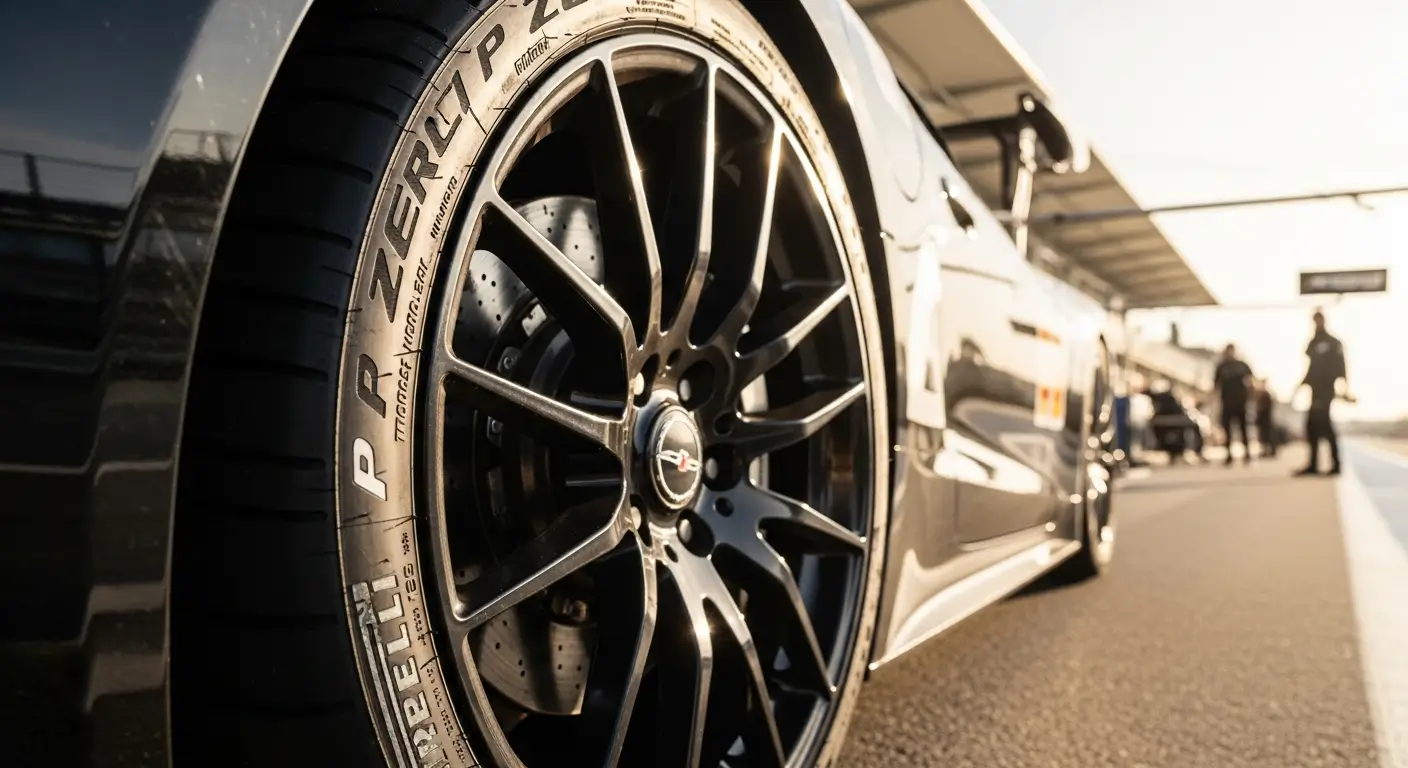
For Southern California track-day enthusiasts, the Falken Azenis RT660 has become a staple of the 200 UTQG extreme performance summer category. Whether you are aiming for a sub-2-minute lap at Buttonwillow 13CW or tackling the tight, technical turns at Streets of Willow, this tire provides the immediate transient response and sheer lateral grip needed to drop lap times. However, to extract maximum performance and longevity from this motorsport-inspired tire, you must look beyond generic tire pressure charts and adopt a systematic approach to care, heat cycling, and pressure management.
TL;DR:
- Optimal Hot Pressure: Aim for 32–34 PSI hot across most sport compacts (such as Honda Civic Type R, GR86, and Mazda Miata).
- Track Care: RT660 is prone to getting "greasy" if overheated. Start cold at 26–28 PSI and bleed down after your first hot session.
- SoCal Context: The abrasive asphalt and high surface temperatures at Chuckwalla and Buttonwillow accelerate wear; systematic heat cycling is mandatory.
What this guide helps you decide
- Learn the exact tire pressure targets to prevent the Falken RT660 from getting "greasy" mid-session.
- Understand how to correctly heat-cycle and store your track tires to extend their competitive lifespan.
- Navigate real-world setup strategies for popular Southern California road courses like Buttonwillow, Streets of Willow, and Chuckwalla Valley Raceway.
The plain-language answer
The Falken Azenis RT660 is essentially a street-legal race tire disguised as an Extreme Performance Summer tire. It features a highly rigid casing structure and a specialized tread compound designed to deliver maximum dry grip. Unlike daily commuter tires, which operate over a wide range of temperatures and wet pavements, the RT660 is a specialist. It demands strict attention to tire temperatures and operating pressures.
In Southern California's intense heat, if you run the RT660 at standard manufacturer-recommended cold pressures (typically 32–35 PSI) on the track, they will balloon to 42+ PSI within three laps. At that pressure, the contact patch shrinks, the compound overheats (becoming "greasy"), and your grip levels drop off a cliff. Successful tracking of the RT660 requires starting cold in the mid-20s and carefully bleeding them down to maintain a target hot pressure of 32–34 PSI.
How to evaluate it step by step
1. Optimize Your Tire Pressures (Cold vs. Hot Targets)
Managing tire pressure is the single most important factor when running the Falken Azenis RT660. Because of its stiff sidewalls, it does not require excessive pressure to prevent sidewall rollover.
- The Golden Rule: Your target hot pressure is 32 to 34 PSI for vehicles weighing under 3,200 lbs (such as the Mazda MX-5, Subaru BRZ, or Honda Civic). For heavier setups like the Tesla Model 3 Performance, target 34 to 36 PSI hot.
- Starting Pressures: Depending on ambient track temperatures, start your first session of the day at 26 to 28 PSI cold across all four corners.
- The Mid-Session Adjustment: Go out for your first 15-minute session. As soon as you exit the track into the pit lane, immediately measure your tire pressures. They will likely read 35–37 PSI. Use a high-quality bleed valve to bleed them down to 32–33 PSI hot.
- The Cool-Down Effect: Keep in mind that once your tires cool down back in the paddock, they may drop to 24–25 PSI. Do not panic; this is normal. Just ensure they rise back into the 32–34 PSI range during your next hot session.
2. Implement a Systematic Heat Cycling Routine
Like any motorsport-inspired compound, the Falken RT660 benefits enormously from a proper initial heat cycle. This process chemically cross-links the polymers in the tread compound, making the rubber significantly more resistant to tearing and rapid wear.
- The First Session: On a brand-new set of RT660s, run your first track session at 80% pace. Avoid sliding, heavy locking, or aggressive curb-hopping. The goal is to bring the tires up to operating temperature progressively and evenly.
- The 24-Hour Cure: Dismount the wheels or park the car, and let the tires rest in a cool, dry place for a full 24 hours. Do not drive on them. This rest period allows the tread compound to chemically re-cure and harden. Skipping this step and running 100% pace immediately on a fresh set can accelerate tread wear, increase heat-related degradation, and shorten the tire's useful competitive life.
3. Tailor Your Setup to SoCal Circuits
Southern California is home to some of the finest road courses in the country, but their varied asphalt characteristics and desert climates place unique demands on your Falken RT660s.
Buttonwillow Raceway Park (13CW Configuration)
Buttonwillow is famous for its fast sweepers and the blind, undulating drop over Phil Hill.
- Sidewall Loading: The extreme compression over Phil Hill tests your tire's carcass integrity. The RT660's rigid sidewalls handle this vertical compression beautifully, maintaining a stable contact patch.
- Asymmetry: Clockwise configurations place intense thermal load on the left-side tires, particularly the left-front during the high-speed "Sweeper" and "Sunset" turns. Expect your left-side tires to gain pressure much faster than the right side. You may need to start your left-front tire 1.5–2 PSI lower than the right-front to achieve balanced hot pressures.
Streets of Willow Springs
Streets of Willow is a tight, technical 1.6-mile course with non-stop directional transitions, including the high-camber Bowl and the technical Skid Pad.
- Heat Accumulation: Because there are no long straightaways to allow for airflow cooling, your tires will build heat constantly. Watch your pressures closely here; the technical nature of the track means transient steering response is paramount, and over-inflated RT660s will feel jittery and slide over the Skid Pad transition.
Chuckwalla Valley Raceway
Located in the desert near Desert Center, Chuckwalla features high-speed, flowing sweepers that place tires under sustained lateral G-forces.
- Desert Temperatures: Summer track temperatures at Chuckwalla can easily exceed 140°F. The RT660 has a relatively narrow optimal thermal window compared to endurance-focused tires. In peak summer heat, limit your hot laps to 3–4 lap bursts, followed by a dedicated cool-down lap, to prevent the compound from greasy degradation.
Top performance sizes at a glance
| Sizes | Load Index | Ply | Speed Rating | SoCal Typical Use & Track Target |
|---|---|---|---|---|
| 225/45R15 | 92 | 4-Ply (Standard) | W | Miata / Civic / Buttonwillow autocross |
| 245/40R17 | 95 | 4-Ply (XL) | W | GR86 / BRZ / Streets of Willow road course |
| 245/40R18 | 97 | 4-Ply (XL) | W | WRX / Evo / Chuckwalla high-speed sweeps |
| 265/35R18 | 97 | 4-Ply (XL) | W | E92 M3 / Mustang / Streets of Willow tech |
*All specifications are field-tested and verified by FixGo's Southern California partner network.*
FAQ
Q: How does the Falken Azenis RT660 compare to the Michelin Pilot Sport 4S?
A: The Michelin Pilot Sport 4S (PS4S) is a premium Max Performance Summer tire designed primarily for high-performance street use. It offers a 30,000-mile treadwear warranty, excellent wet traction, and refined ride comfort. The Falken Azenis RT660 is a highly focused, Extreme Performance Summer tire (200 UTQG) designed for track days and autocross. While the RT660 offers vastly superior dry grip, steering immediacy, and track endurance, it has a much stiffer ride, generates loud highway hum, wears out much faster (typically lasting 5,000–8,000 street miles), and is far more prone to hydroplaning in wet weather.
Q: What is the optimal hot pressure for heavy EVs like the Tesla Model 3 Performance?
A: Heavy vehicles (weighing 4,000 lbs or more) place immense stress on a tire's sidewalls. To prevent the RT660 from rolling over onto its shoulders during hard cornering, you should target a slightly higher hot pressure of 34 to 36 PSI. Start your morning sessions at 28 to 29 PSI cold and bleed down immediately after coming off the track.
Q: Can I drive the Falken RT660 in winter or rain?
A: It is highly discouraged. Extreme Performance Summer compounds are designed to work in warm temperatures (above 50°F) and on dry pavement. The rubber compound loses elasticity in near-freezing conditions, which can lead to tread cracking. Additionally, because the tire features wide, continuous block shoulders with minimal tread grooves, its capacity to evacuate water is extremely low. Driving on the RT660 in heavy rain or standing water on local LA freeways like the 5 or 405 can lead to immediate aquaplaning.
Bottom line
The Falken Azenis RT660 is an incredibly capable, high-value extreme performance tire that punches well above its price point, offering near-semi-slick grip levels with street-legal versatility. If you manage your operating pressures, systematically bleed them down to target 32–34 PSI hot, and give them a proper initial heat cycle, they will reward you with consistent, blistering lap times.
When you are ready to prepare your car for the next track event, order your performance tires online through FixGo. Enjoy seamless 1–3 day free delivery directly to our extensive network of 200+ SoCal partner installation shops, where professional, performance-minded technicians are ready to mount, balance, and align your vehicle in local areas like Alhambra and Azusa so you can hit the grid with confidence.