tire safetytire pressuremaintenance

Correct Tire Inflation Pressure: What's Safe and What's Dangerous

Learn the correct tire inflation pressure for your vehicle, why the sidewall max PSI is not your target pressure, and what really happens when a tire is overfilled to 90 PSI.

Ryan Carter
Ryan CarterSenior Customer Service Specialist
· Updated June 8, 2026
Correct Tire Inflation Pressure: What's Safe and What's Dangerous

By Ryan Carter · Updated May 29, 2026 · Verified by FixGo's Southern California certified partner network

Understanding and maintaining the correct tire inflation pressure is one of the most critical parts of vehicle safety, handling, and tire longevity. Running your tires at the vehicle manufacturer's recommended PSI ensures a proper contact patch, optimal dry and wet traction, and safeguards against sudden structural failure on hot Southern California freeways.

This guide reflects FixGo's hands-on experience operating a network of 200+ certified partner shops across greater Los Angeles. Our technical content is reviewed by installation professionals who see these issues firsthand, every day.

TL;DR:

  • The correct inflation pressure for your tires is printed on your vehicle's door jamb sticker — not on the tire sidewall.
  • Most passenger car tires require 30–35 PSI; 90 PSI would be dangerously over the limit for virtually any passenger tire.
  • If you suspect a shop overfilled your tires, deflate to the door-jamb pressure immediately and have the tires professionally inspected.

The short answer

The correct tire inflation pressure for your vehicle is listed on the tire information placard — a sticker usually found on the inside edge of the driver's door or door jamb. Your owner's manual also contains this information. That number, expressed in PSI (pounds per square inch), is what you should use every time you inflate your tires.

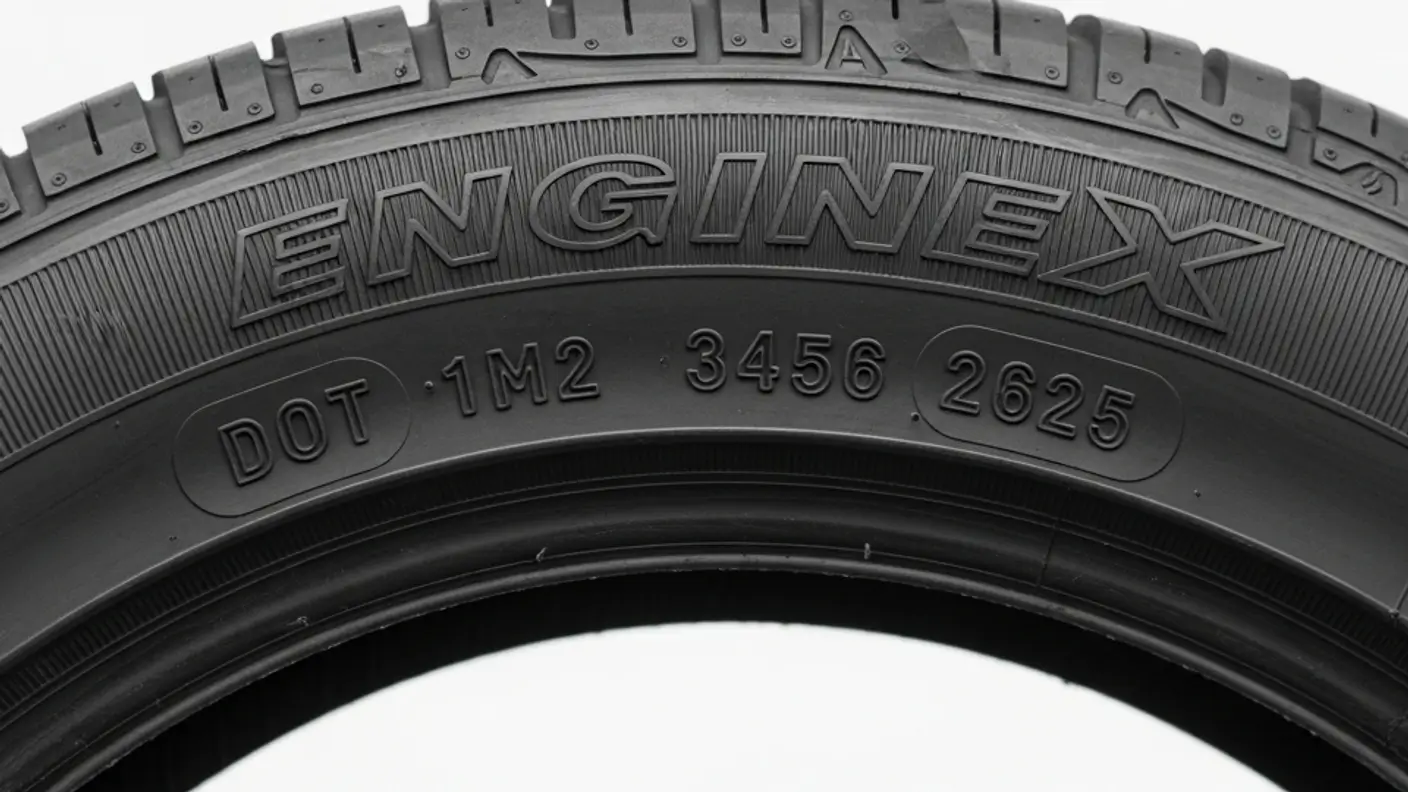
The number printed on the tire sidewall — often labeled "MAX PRESS" followed by a PSI figure — is something different entirely. It represents the maximum pressure the tire's structure can withstand at maximum load, and it is not the pressure you should drive on. Confusing the two is one of the most common tire-maintenance mistakes drivers make.

Why it matters in the real world

Southern California drivers face conditions that make correct tire inflation especially important. Temperatures in the Los Angeles basin can swing more than 40°F in a single day, and a drive from the coast through the San Bernardino Valley toward Palm Springs can expose tires to sharp heat increases that raise pressure several PSI above the cold-check reading. On the Mojave Desert stretch of I-10, road surface temperatures regularly exceed 140°F in summer — enough to significantly expand the air inside an already over-inflated tire.

  • Safety impact: Tires inflated significantly above or below their recommended pressure handle differently than the vehicle was designed for. Overinflation stiffens the tire and reduces the contact patch with the road, which degrades braking distances and cornering grip — especially on wet pavement.
  • Cost or wear impact: Both overinflation and underinflation cause accelerated, uneven tread wear, shortening the life of the tire. Overinflated tires wear fastest in the center; underinflated tires wear fastest along the outer edges. Either pattern means you're leaving money on the table every mile you drive.
  • Comfort or confidence impact: A properly inflated tire absorbs road imperfections by flexing slightly. An overinflated tire is rigid, producing a harsher, noisier ride. An underinflated tire feels sluggish and can overheat at highway speeds — a real risk on a long summer drive from the LA basin to Palm Springs.

How it works in simple language

  • Think of it as: A balloon. A slightly underinflated balloon is flexible and absorbs bumps. An overinflated balloon is taut and will pop under less stress. Your tire works the same way — it needs to be firm enough to carry the car but flexible enough to grip and absorb road forces.
  • What changes it: Temperature. Tire pressure drops roughly 1 PSI for every 10°F drop in ambient temperature, and rises by the same amount as the air warms. Always check pressure when the tires are "cold" — meaning the car has been parked for at least three hours and has not been driven more than a mile. In the San Gabriel Valley or Inland Empire, where morning-to-afternoon temperature swings are large, it's worth checking pressure in the cool early morning rather than mid-afternoon.
  • What it does not automatically mean: A tire that looks visually flat is underinflated, but a tire that looks normal can still be 10–15 PSI below its recommended pressure. You cannot reliably judge inflation by appearance — use a gauge.

Practical signs and rules of thumb

  • Always inflate to the door-jamb number, not the sidewall number. For most passenger cars, this falls between 30 and 35 PSI. For light trucks and SUVs, it commonly ranges from 35 to 45 PSI.
  • Check pressure monthly and before long trips. Tires naturally lose 1–2 PSI per month through the rubber and valve stem, even without a leak. Before heading out on I-10 toward the desert, a quick pressure check at home can prevent problems down the road.
  • The TPMS light only warns you of severe underinflation. The Tire Pressure Monitoring System (TPMS), required on all U.S. passenger vehicles built after September 2007 under federal standard FMVSS 138, triggers a dashboard warning when a tire drops 25% or more below the recommended pressure. This means a 32 PSI tire must fall to roughly 24 PSI before the light appears — and TPMS does not warn for overinflation at all.

What it looks like in practice

Scenario 1: You check your tires after a shop visit and one reads 90 PSI

  • What the driver notices: The tire pressure gauge reads an unusually high number. The ride feels stiff and harsh. The vehicle may pull slightly.
  • What it likely means: The technician inflated the tire to the wrong value — possibly the tire's max sidewall pressure, which is a common error, or a mistaken pressure from a commercial truck service standard.
  • What to do next: Do not drive further than necessary. Deflate each tire carefully to the recommended pressure on your door jamb sticker. Have the affected tires inspected by a qualified tire professional before putting highway miles on them — a tire that was significantly over its structural maximum may have sustained internal damage that is not visible from the outside.

Scenario 2: You notice the center of your tread is wearing faster than the edges

  • What the driver notices: The center tread blocks look more worn than the shoulder tread in the same tread row.
  • What it likely means: The tires have been chronically overinflated. The stiff, bulging center of the tire is carrying more of the vehicle's weight than the shoulders.
  • What to do next: Correct the inflation pressure to the door-jamb specification. Rotate the tires and monitor wear at the next service interval. If center wear is advanced, the tire may need replacement sooner than expected. See what uneven wear patterns tell you about your tires for a deeper look at what different wear patterns mean.

Scenario 3: Pressure is fine at home but climbs significantly on a desert drive

  • What the driver notices: After driving from the LA basin through the San Bernardino Valley and into the desert, a gauge check at a rest stop shows pressure has climbed 4–6 PSI above the cold-check reading.
  • What it likely means: This is normal. Hot-running tire pressure is always higher than cold pressure, and the climb from coastal to inland desert temperatures is especially large in Southern California. As long as the cold-check reading at home was correct, the elevated reading mid-drive is expected and not a reason to deflate.
  • What to do next: Never deflate a hot tire to match the cold recommended pressure — you'll end up dangerously underinflated once the tire cools. Wait until the tires are cold before adjusting pressure.

Common myths

  • Myth: "I should inflate to the MAX PRESS number on the sidewall." Reality: That number is a structural ceiling, not a driving recommendation. Inflating to the sidewall maximum gives you a harsher ride, reduced traction, and a greater risk of impact damage or blowout. Follow the door-jamb placard instead.
  • Myth: "My TPMS light is off, so my tires are properly inflated." Reality: TPMS only warns when pressure drops 25% or more below the recommended level. It does not warn for overinflation. A tire that is 10 PSI overinflated will show no TPMS warning. Regular manual checks with a quality gauge are still the only reliable way to know you're inflated correctly.
  • Myth: "Higher pressure gives me better fuel economy, so I should go a little over the recommended PSI." Reality: There is a small fuel economy benefit to slightly higher inflation, but you quickly reach a point of diminishing returns, and the tradeoff in grip, ride quality, and tire life is significant. Stick to the manufacturer's recommendation; the vehicle was engineered around that number.
  • Myth: "Hot weather doesn't matter if I check my pressure in the morning." Reality: If your morning temperature in the Inland Empire is already 80°F, you're not checking at true cold temperature — especially if the car sat in direct sunlight. Park in shade overnight and check before sunrise for the most accurate reading.

FAQ

What PSI should I inflate my tires to?

A: Across our LA partner network, we find that many drivers are surprised to learn that the correct pressure is listed on the door jamb, not the sidewall. Look for the tire information placard on the inside edge of your driver's door or door jamb. This sticker gives the pressure your vehicle's manufacturer recommends. Most passenger cars list 30–35 PSI; many light trucks and SUVs list 35–45 PSI. If the sticker has different values for front and rear tires, use each accordingly.

Source: NHTSA Vehicle Safety — Tires (nhtsa.gov/vehicle-safety/tires); FixGo Southern California partner network field data.

Can a shop accidentally inflate tires to 90 PSI?

A: Yes, this does happen. In our experience at FixGo, the most common cause is a technician confusing the vehicle's recommended pressure with the tire's maximum sidewall pressure, or misreading the equipment when switching between commercial and passenger vehicle service. Some air compressor equipment defaults to high pressures. If you ever notice an abnormally high reading after a shop visit, deflate to spec immediately and request an inspection.

Source: FixGo service network technician observations; industry tire service standards.

What happens if you drive on a tire inflated to 90 PSI?

A: Standard passenger car tires have sidewall maximum pressure ratings of roughly 44–51 PSI. Inflating to 90 PSI would far exceed this limit. Under normal driving conditions, you risk sudden blowout, sidewall rupture, or bead failure — any of which can cause a loss of vehicle control. Even if the tire appears intact after being overinflated, internal structural damage may have occurred that makes it unsafe for continued use.

Source: NHTSA Vehicle Safety — Tires; tire manufacturer maximum pressure specifications.

Does overinflation reduce grip?

A: Yes. An overinflated tire rides on a smaller, stiffer contact patch — mostly the center of the tread. This reduces the tire's ability to conform to the road surface, which decreases traction in both wet and dry conditions. If you want to understand how inflation pressure affects grip in more detail, see how tire grip works on dry roads.

Source: NHTSA overinflation research; vehicle dynamics engineering principles.

How often should I check tire pressure?

A: Once a month is a good baseline, plus any time temperatures change significantly. In Southern California, the extreme heat swings between the coast, the valleys, and the desert mean monthly checks can miss sudden drops — especially heading into winter, when nighttime temperatures in the San Gabriel Valley can dip 25°F below daytime highs. Always check before a long highway trip, and check when the tires are cold.

Source: NHTSA and vehicle manufacturer maintenance recommendations; FixGo seasonal data from Southern California operations.

Bottom Line

Correct tire inflation pressure comes from your vehicle's door-jamb sticker, not the sidewall. The sidewall's "MAX PRESS" number is a structural limit — not your target. For most passenger cars in the greater Los Angeles area, that recommended number is 30–35 PSI. Overinflation reduces traction, accelerates center tread wear, and risks catastrophic blowout; underinflation causes sidewall flex fatigue and overheating — both dangerous on SoCal's summer highways. Check pressure monthly with a quality gauge, check cold, and never attempt to deflate hot tires to match a cold-pressure target.


Ready to put properly inflated tires on the right set of rubber? FixGo offers competitive pricing on a wide selection of tires with free 1–3 day delivery across the greater Los Angeles area. If you'd rather have them mounted and balanced on the spot, our Alhambra location at 2969 W Valley Blvd and our Azusa location at 350 N Citrus Ave are ready to help — plus our extensive network of local partner shops throughout Southern California. Shop tires at FixGo and get the right fit shipped or installed near you.


What to do next

  • Check your door-jamb placard right now — confirm you know the recommended PSI for your front and rear tires and write it down.
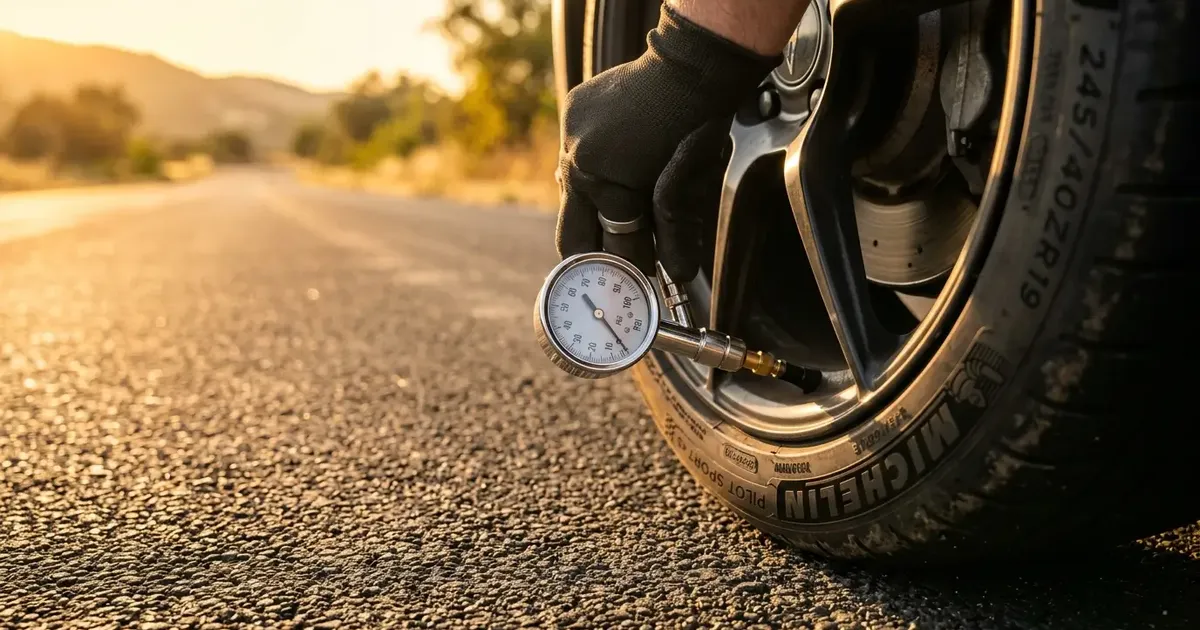
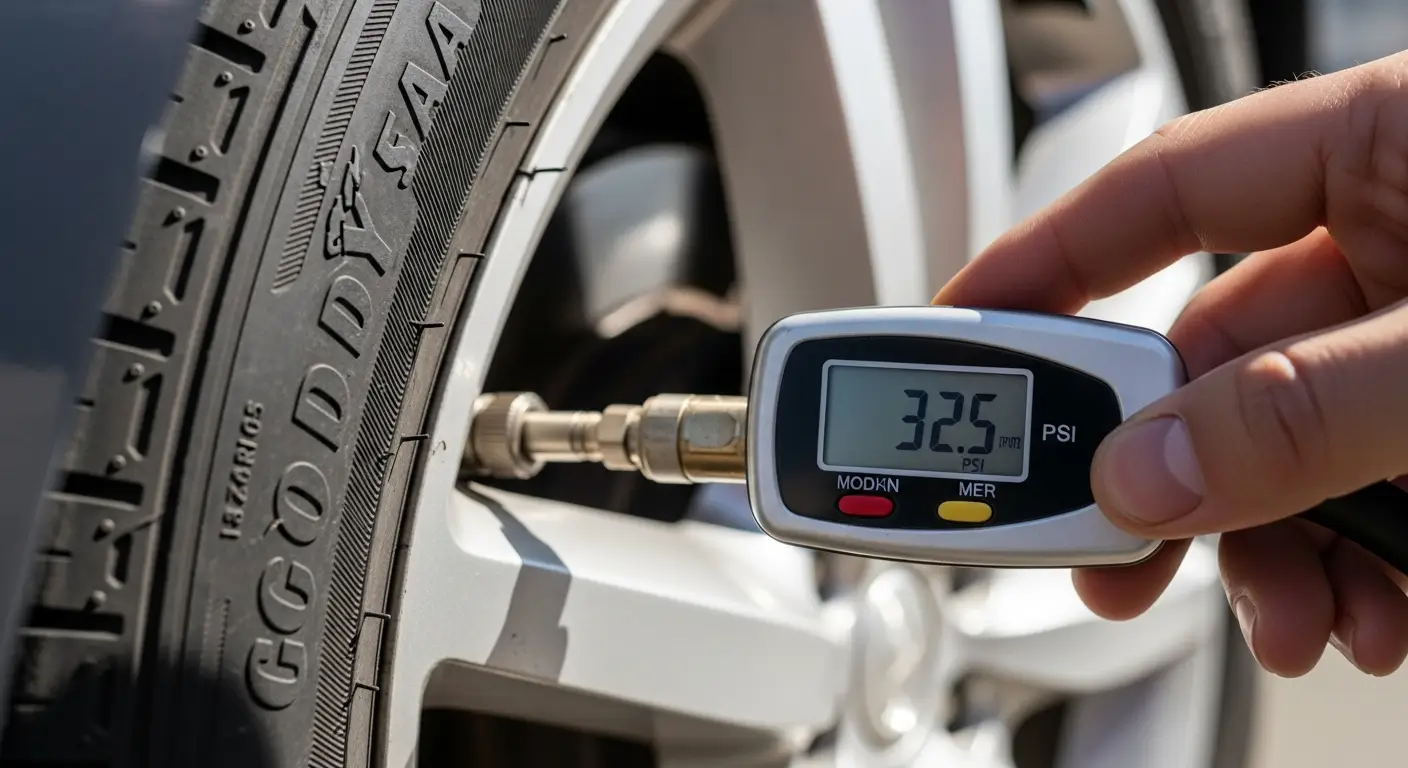
  • Invest in a quality tire pressure gauge. Digital gauges are inexpensive and more accurate than the stick-type gauges often found at gas stations.
  • If your tires have sustained chronic overinflation damage, it may be time to replace them before the damage becomes a safety issue. The ENGINEX DURAGUARD HP is a well-balanced all-season tire suited for everyday driving across LA-area roads — a reliable starting point if you're shopping for a replacement on a common passenger car size.
  • Read more: Uneven tire wear patterns explained — learn how to read what your tread wear is telling you.

© 2026 FixGo. All rights reserved.

Talk to an expert