If you're shopping for 235/45R18 all-season tires, you've probably noticed the options span a wide range — from all-weather-leaning designs to UHP all-seasons with a sportier edge. And even though they all share the same basic size, the load index and speed rating can be quite different (we're talking 94V on one end, 98Y on the other).
At a glance: There's no single best 235/45R18 all-season tire — it depends on what you actually need. We broke six picks into use-case buckets so you can skip the noise and focus on what fits your car and the way you drive.
This list won't pretend to rank them from "worst" to "best." Instead, we grouped them by the kind of driver they seem to fit, based on how each tire is positioned. Your job is to match that to your reality.
Before you shop: a quick fitment reality check
All six picks share the 235/45R18 footprint (a couple are listed as 235/45ZR18 — same physical size, different speed classification markings). But here's where people trip up:
Load index and speed rating are not the same across these tires. You'll see 94V, 94W, 98V, 98W, and 98Y in this list. That matters. Your vehicle's door-jamb placard or owner's manual tells you the minimum load index and speed rating your car needs — don't go below those numbers. If your OE spec says 98Y, grabbing a 94V because it was on sale is not a smart trade.
Quick refresher on what the numbers mean:
- 235 — tread width in mm. 45 — aspect ratio (sidewall height = 45% of the width). R18 — radial, 18-inch wheel.
- ZR — you'll see this on some listings (235/45ZR18). It's associated with higher speed ratings; just confirm the actual letter (V/W/Y) matches your OE requirement.
- Load index (e.g. 94 vs 98) — how much weight each tire can safely carry. Higher number = higher capacity.
- Speed rating (V/W/Y) — the maximum sustained speed the tire is engineered for. Match or exceed your OE spec.
The six picks, grouped by use case
| Tire | Size/Rating | Best suited for |
|---|---|---|
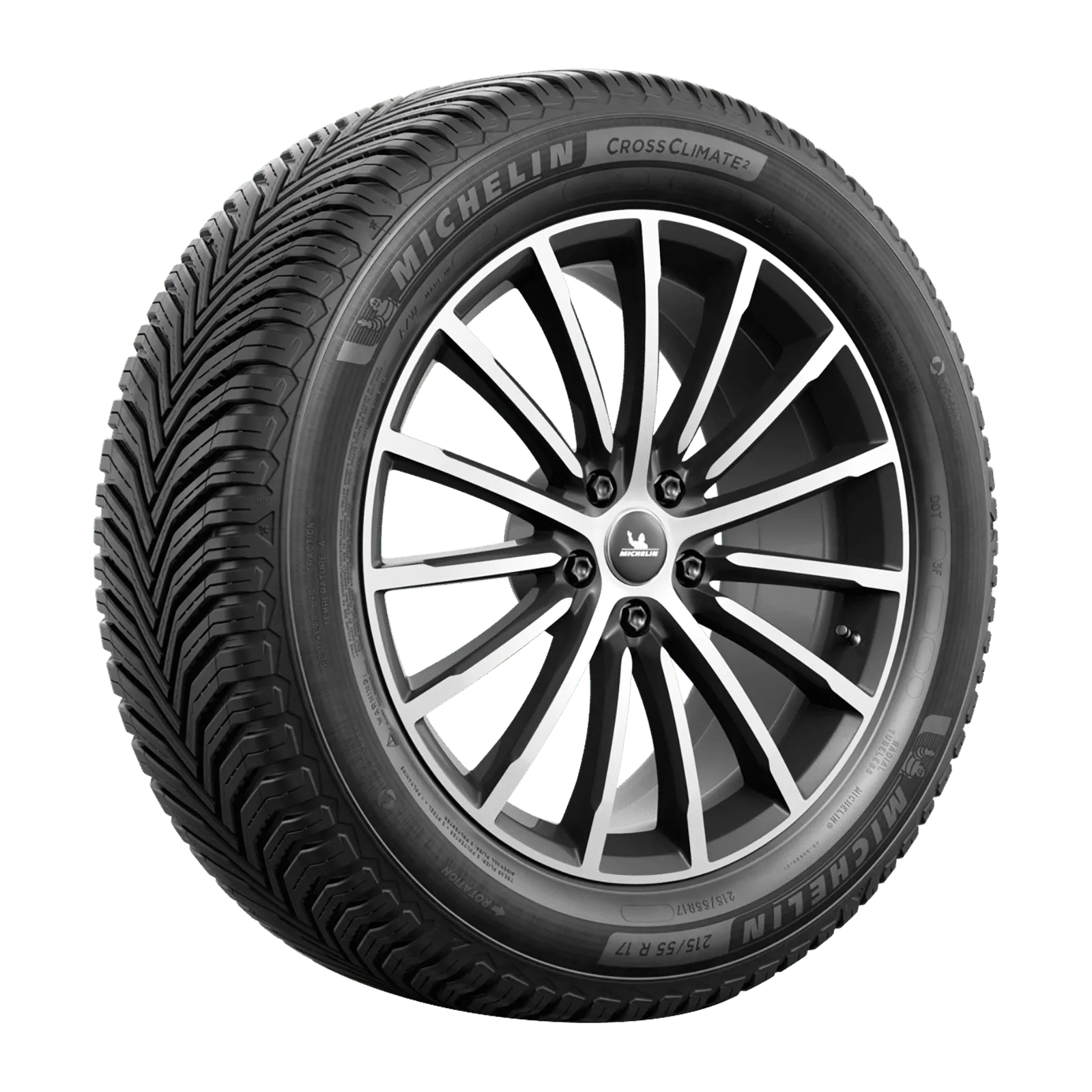
| Michelin CrossClimate 2 | 235/45R18 98V | All-weather confidence |
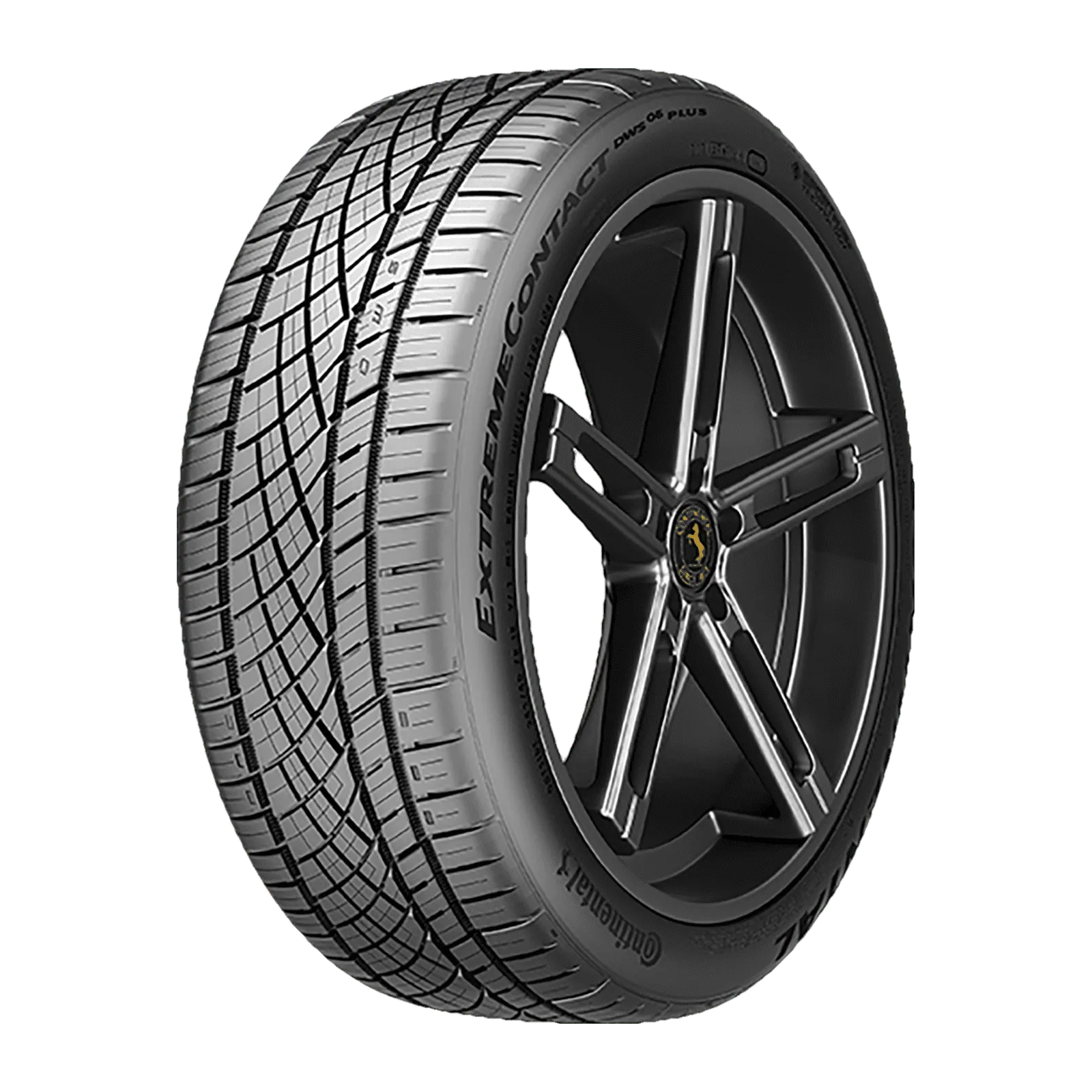
| Continental ExtremeContact DWS06 Plus | 235/45ZR18 98Y | Sporty daily driving |
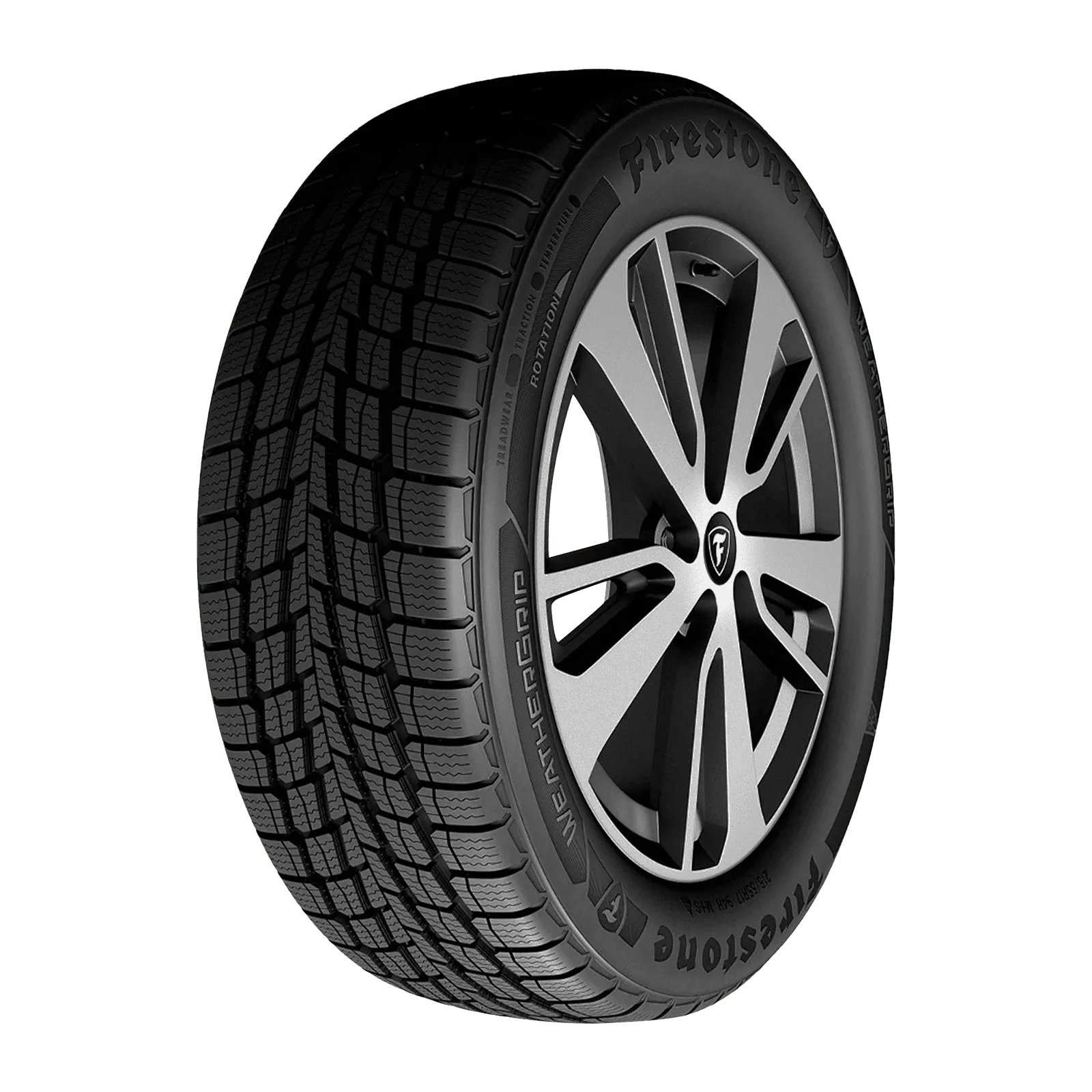
| Firestone WeatherGrip | 235/45R18 94V | Bad-weather simplicity |
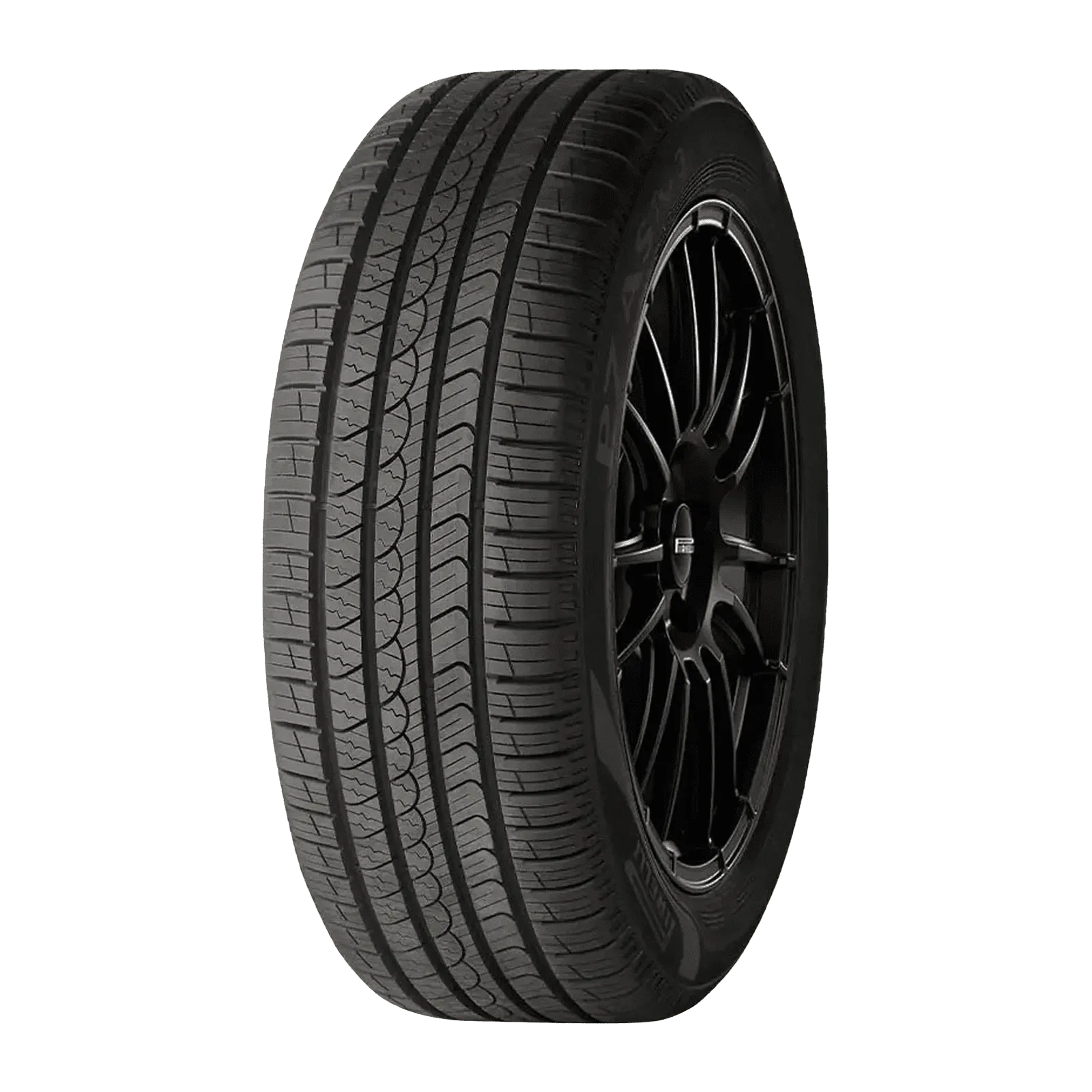
| Pirelli P7 AS Plus 3 | 235/45R18 94V | Balanced touring |
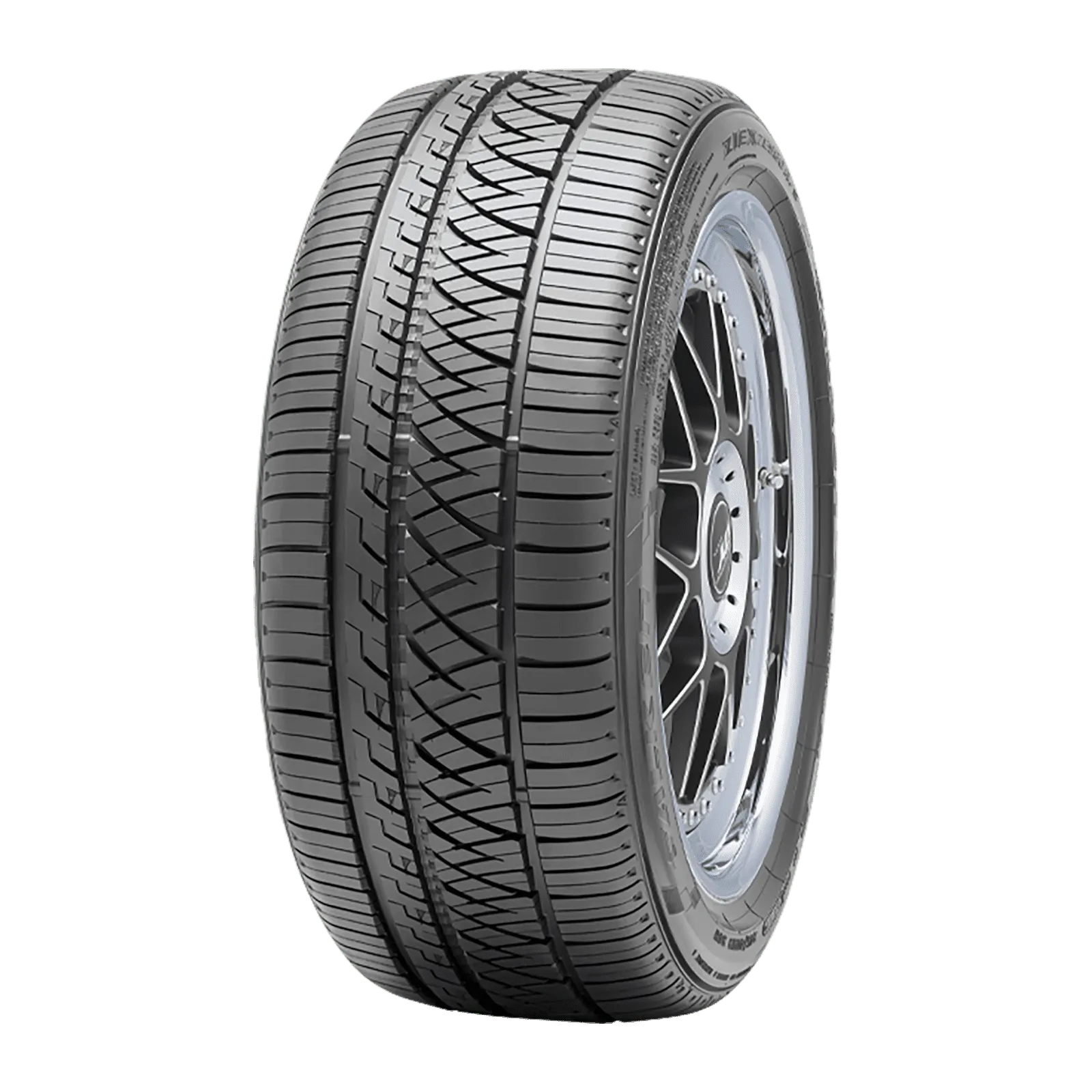
| Falken Ziex ZE960 A/S | 235/45R18 94W | Daily comfort on a budget |
| ENGINEX SpeedTrac UHP | 235/45ZR18 98W | Budget UHP value |
All-weather confidence
Michelin CrossClimate 2 — 235/45R18 98V
This is the tire for people whose "all-season" reality actually includes all the seasons — cold mornings in October, heavy rain in April, that weird ice-then-sun week in March. The CrossClimate 2 leans all-weather in its design philosophy, with a tread pattern that's built around handling unpredictable conditions rather than chasing a sporty feel.
It won't give you that crisp, summer-tire-like steering response. That's not the point. The point is you put them on and stop thinking about the weather forecast every time you grab your keys. Rated at 98V, so load capacity is on the higher end of this list.
Firestone WeatherGrip — 235/45R18 94V
Similar idea, different angle. The WeatherGrip is positioned for drivers who mostly care about day-to-day weather confidence and don't need their tires to be a conversation topic. It's straightforward — a tire that's meant to deal with rain, light snow, and the kind of gross conditions that make regular all-seasons feel a bit sketchy.
One thing to watch: it's rated 94V, which is a lower load index than the CrossClimate 2. Make sure that matches what your vehicle requires before you commit.
Sporty handling
Continental ExtremeContact DWS06 Plus — 235/45ZR18 98Y
If you picked your car partly because it's fun to drive, and you don't want your tire choice to dull that — this is the corner of the market to look at. The DWS06 Plus is positioned as a UHP all-season with a sporty handling focus. It carries the highest speed rating on this list (Y) and a 98 load index, so it's aimed at vehicles that demand those numbers.
The tradeoff with UHP-leaning all-seasons is always the same: you might give up a little ride softness for a tighter, more connected feel. Whether that's a tradeoff or a feature depends entirely on you. Just confirm 98Y is what your car actually calls for — don't pick it purely because a higher letter sounds cooler.
Balanced daily driving
Pirelli P7 AS Plus 3 — 235/45R18 94V
Some people just want a normal tire. Not the sportiest, not the most weather-aggressive, not the cheapest — just a well-rounded all-season that works for commuting, highway trips, and weekend errands without demanding much thought.
That's where the P7 AS Plus 3 sits. It's a mainstream touring all-season, and "mainstream" isn't a bad word here — it means it's designed for the way most people actually use their car. Rated at 94V, so double-check your placard if your OE spec calls for something higher.
Daily comfort / value
Falken Ziex ZE960 A/S — 235/45R18 94W
The Ziex ZE960 A/S is a quieter name than some others on this list, and that's part of the appeal. It's positioned as a value-oriented daily driver — the kind of tire you buy because it covers your needs without stretching the budget for a brand premium.
It carries a W speed rating (higher than V), which is a nice-to-have, but the load index is 94. Same rule applies: match it to your vehicle's requirement first, then decide if the comfort-and-value positioning fits what you're after.
Budget UHP value
ENGINEX SpeedTrac UHP — 235/45ZR18 98W
The ENGINEX SpeedTrac UHP is positioned as a budget-friendly UHP option — the kind of tire you'd consider when you want the sizing and load/speed specs (98W) without the price tag of a bigger name.
We're not going to pretend it competes head-to-head with the Continental on driving feel or the Michelin on weather confidence — that's not what it's designed for. Think of it as "the numbers work, and the cost makes sense." If that matches your priorities and your car's specs, it's worth considering.
Buying notes
A few things worth remembering before you pull the trigger:
- Fitment first, brand second. Match your OE load index and speed rating. If your placard says 98Y, don't compromise just to spend less.
- "Same size" doesn't mean interchangeable. This list alone covers load indices from 94 to 98 and speed ratings from V to Y. Those differences matter for safety and handling.
- All-season vs all-weather is a real choice. If your climate throws serious rain, cold snaps, or light snow at you regularly, an all-weather-oriented tire can simplify your life. If you see real winter conditions, a dedicated winter tire setup is still the smarter move.
- Uneven wear on your old tires? Fix the root cause (alignment, pressure, suspension) before spending money on new rubber. Fresh tires won't solve a mechanical problem.
For a more detailed walkthrough on sizing and what all these numbers mean, our tire selection guide covers it in plain language.
FAQs
Can I use a 94V tire if my car came with 98Y?
Technically you can put it on a wheel, but you probably shouldn't. The lower load index means less load capacity, and the lower speed rating may not match what your car was engineered for. Stick with your OE spec unless your vehicle manufacturer says otherwise.
What's the actual difference between 94 and 98 load index?
It's a difference in how much weight each tire can safely support when inflated to its rated pressure. The jump from 94 to 98 isn't huge in absolute terms, but it's there for a reason. Use the number your vehicle requires as your floor — don't go below it.
Does "ZR" on the sidewall mean it's a better tire?
Not necessarily. ZR is a speed classification marking that often appears alongside V, W, or Y ratings. It doesn't automatically make a tire "better" — it just tells you the tire is rated for higher speeds. Focus on the actual speed rating letter and whether it meets your OE spec.
Some of these say "all-weather" and some say "all-season" — what's the difference?
In practical terms, all-weather-oriented tires tend to be designed with more focus on rain, cold, and light snow performance — closer to a year-round tire you never swap out. Traditional all-season tires are more of a warm-to-mild-weather generalist. The labels aren't perfectly standardized, so look at how the tire is designed and positioned rather than just the category name.
Should I buy all four at once or can I replace two?
Replacing all four at the same time is the simplest way to keep handling predictable. If you can only do two, put the newer tires on the rear axle (that's a pretty common industry recommendation for stability). But ideally — same model, same spec, all four corners.
My current tires wore unevenly — is that a tire problem?
Usually it's a vehicle problem. Uneven wear patterns are often linked to inflation issues, alignment angles, worn suspension parts, or skipped rotations. Worth getting checked before you mount new tires, otherwise you'll just wear the new set the same way. We wrote a breakdown of common wear patterns if you want to self-diagnose before visiting a shop.
Bottom line
There's no magic tire in 235/45R18 that's perfect for everyone. Start by matching your car's load index and speed rating, then pick the bucket that matches how you actually drive — all-weather confidence, sporty feel, balanced touring, or budget value.
The best tire is the one that fits your car's spec sheet and your real life. Everything else is marketing.
The information above is for reference only. Have questions or need help choosing the right tire for your vehicle? Reach out to the FixGo customer service team — we're happy to help.