
Knowing how to choose all-season tires means matching your vehicle's specifications before comparing comfort, warranty coverage, or seasonal features. These Michelin, Goodyear, and Hankook options give everyday drivers three models to consider in 215/55R17.
Three picks at a glance
The three listings share a size and load index, but their speed ratings differ. Check the minimum rating in your vehicle owner's manual or placard before choosing; an H-rated tire does not meet a requirement for V.
| Model | Sizes | Load Index | Ply | Speed Rating | SoCal Typical Use |
|---|---|---|---|---|---|
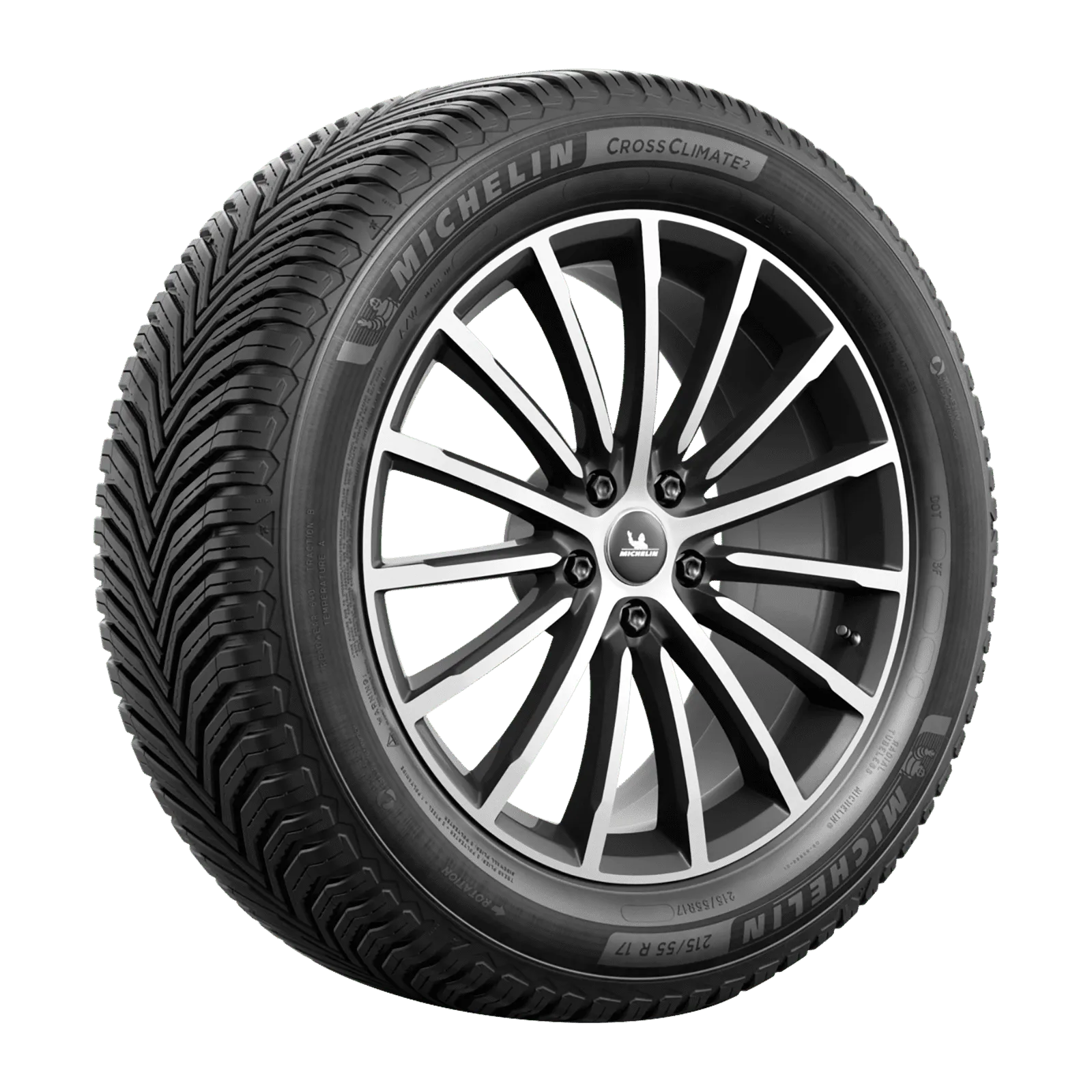
| Michelin CrossClimate2 | 215/55R17 | 94 | Check specification | V | Commute plus seasonal trips |
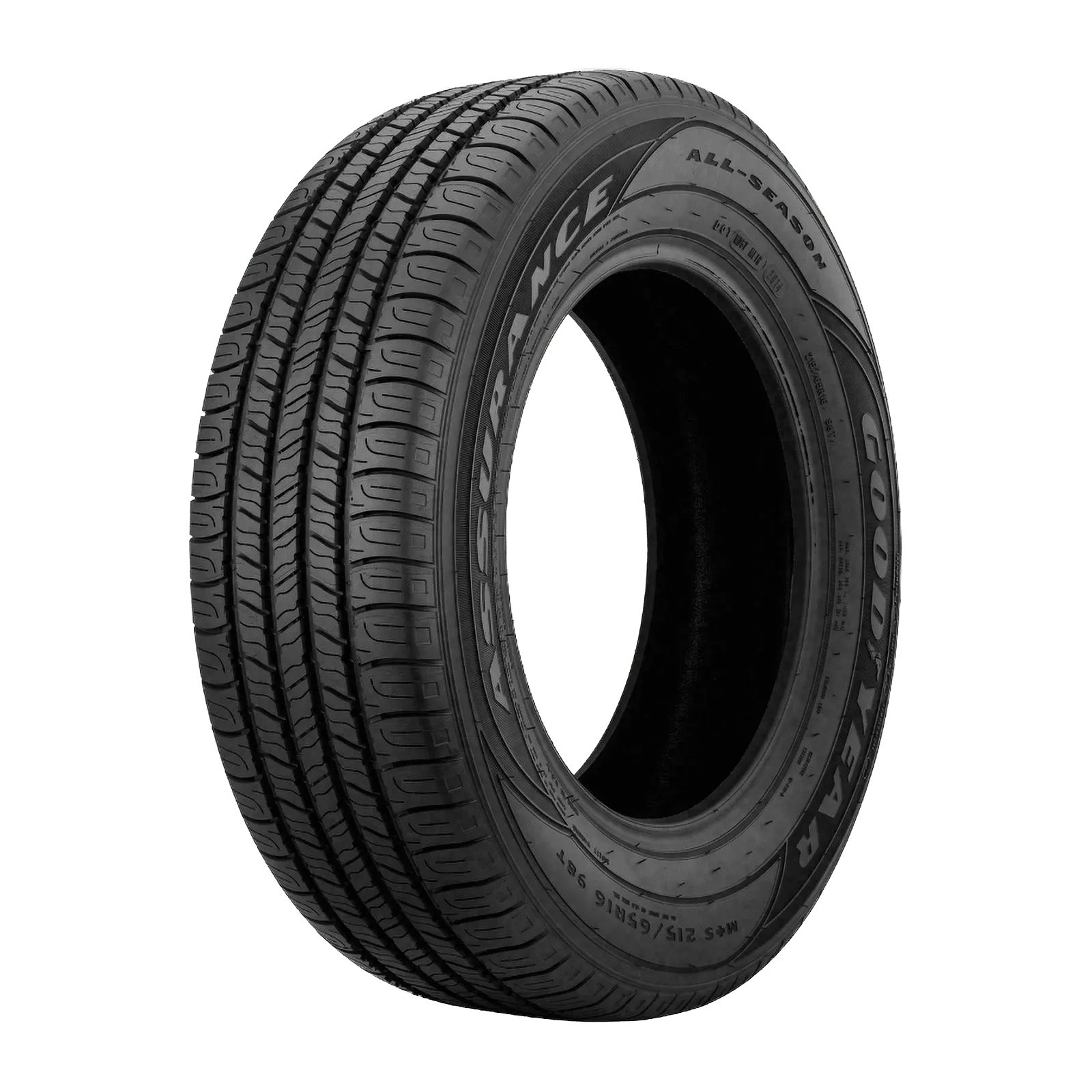
| Goodyear Assurance All-Season | 215/55R17 | 94 | Check specification | H | Everyday commuting |
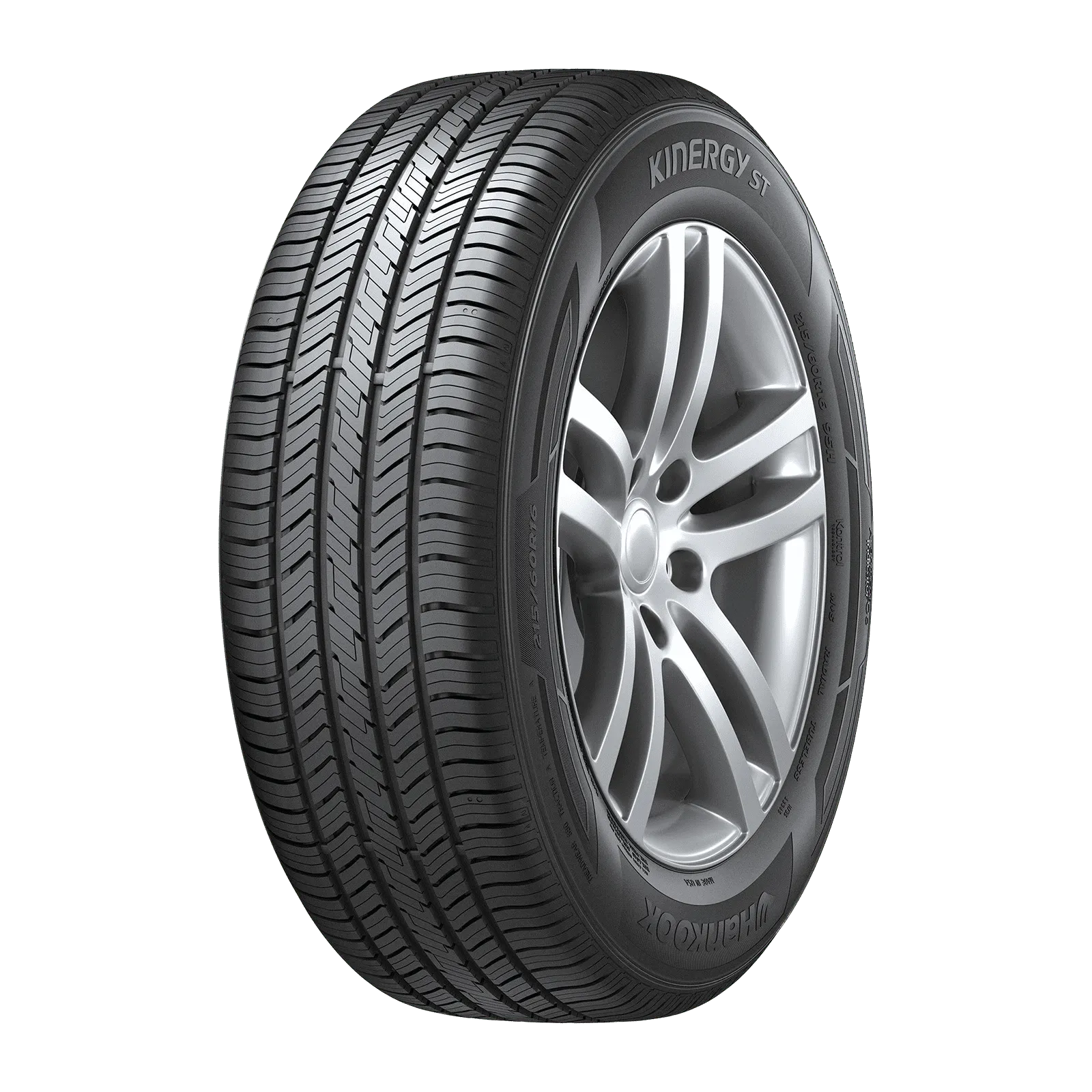
| Hankook Kinergy ST H735 | 215/55R17 | 94 | Check specification | H | Touring and commuting |
Michelin CrossClimate2: consider the seasonal features
The Michelin CrossClimate2 215/55R17 94V is worth comparing when your plans include seasonal trips as well as ordinary commuting. Michelin lists it as an all-season tire with the 3PMSF marking.
Consider that feature alongside the actual conditions on your route. It does not justify assuming the tire is best in every wet-road situation or suitable for every winter journey. Check the requirements for your destination before a mountain trip.
Goodyear Assurance All-Season: a commuter-oriented option
The Goodyear Assurance All-Season 215/55R17 94H is another option when an H speed rating meets the vehicle's requirements. Goodyear describes the model as an all-season commuter tire.
Compare its quoted installed cost and warranty terms with the other compatible choices. Choose it for the features you need and the fitment your vehicle requires.
Hankook Kinergy ST H735: a touring option
The Hankook Kinergy ST H735 215/55R17 94H is described by Hankook as a standard touring all-season tire. It is an option for drivers comparing touring tires for daily use, provided its service description is suitable.
Review the applicable warranty and care requirements when comparing it. Neither a treadwear grade nor a mileage warranty establishes the lowest cost per mile for your driving.
Fitment and care
Use the vehicle's specified size and minimum load and speed ratings. Michelin's rating guide explains why size alone is insufficient. Follow your vehicle's cold-pressure and rotation instructions, and monitor tread and visible damage during routine checks.
FAQ
Is there one best choice for every driver?
No. Start by excluding incompatible specifications, then compare the features relevant to your route and the total installed cost. Keep winter travel needs separate from ordinary city commuting.
Does a higher speed rating mean better overall quality?
No. It describes an operating capability under specified conditions. Match the vehicle's requirement rather than treating the letter as an overall product ranking.
Bottom Line
Compare compatible tires by the features you will use and their total installed cost. FixGo offers competitive pricing and installation through its Southern California partner network, so you can select the tire and eligible installation location together.