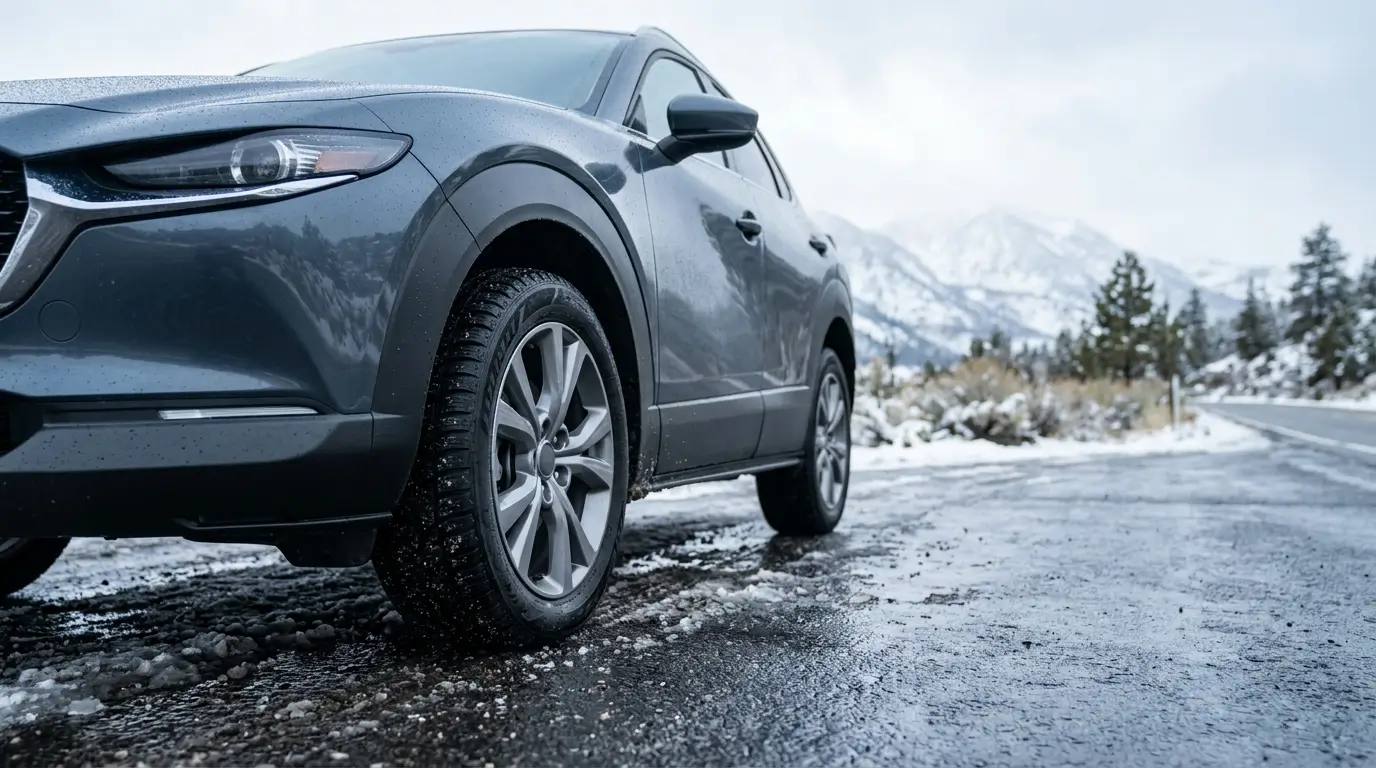
Comparing all-weather tires vs all-season tires for the 2026 winter transition starts with the roads you expect to drive, including the coldest part of your trip. The Three-Peak Mountain Snowflake (3PMSF) is a useful snow-traction qualification, but choosing well also means looking separately at wet braking, ice, tread condition and warranty terms.
Quick answer
Choose a 3PMSF all-weather tire when you want one year-round set and expect seasonal snow. A conventional all-season tire remains a reasonable choice for mild-weather driving; recurring snow and ice make a dedicated winter set worth considering. These distinctions follow Nokian Tyres’ North American category guidance.
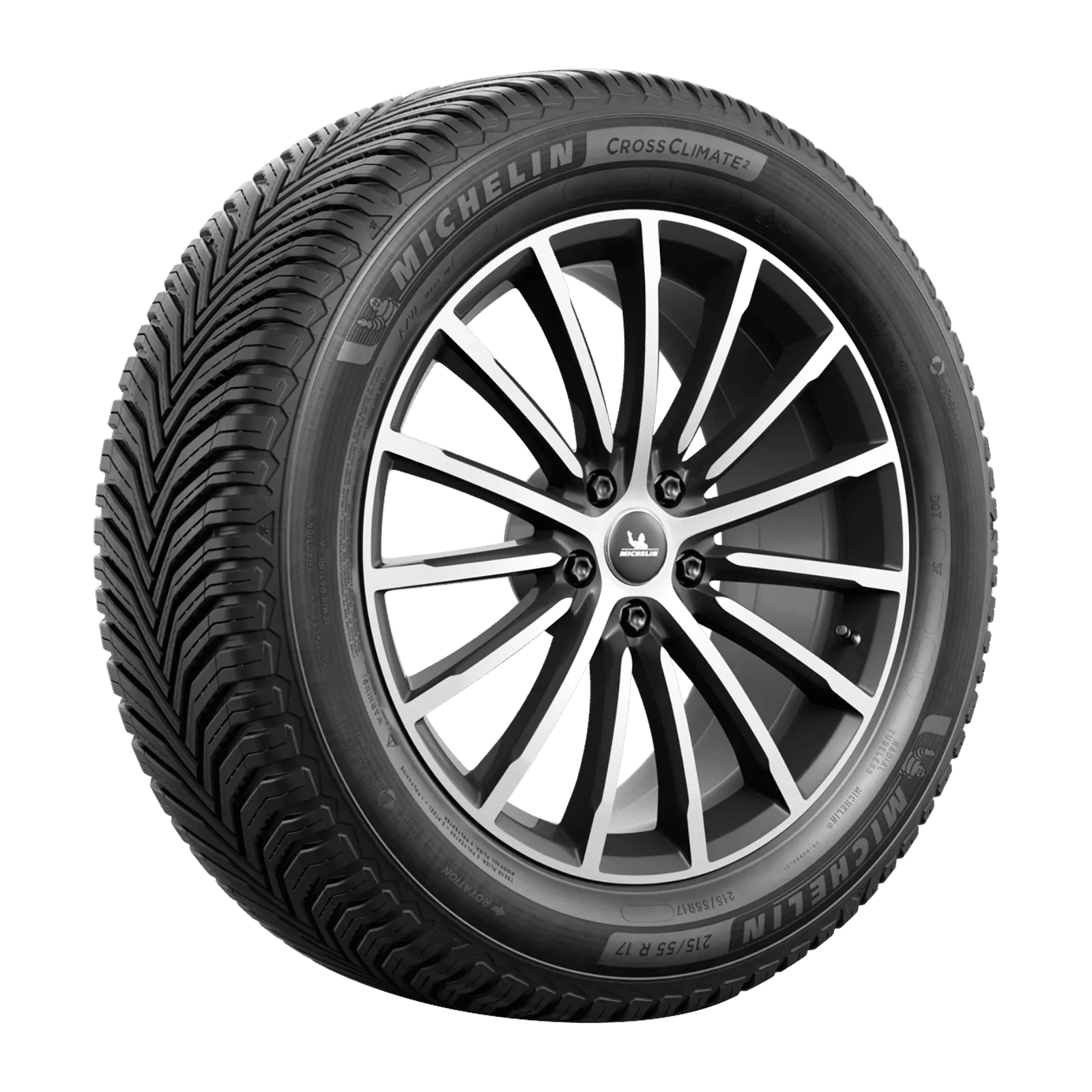
Check the marking as well as the category name. Michelin, for example, labels CrossClimate2 “All-Season” while also identifying it as 3PMSF. It belongs on the snow-rated, year-round side of this comparison. Michelin CrossClimate2
At a glance
| Decision point | 3PMSF all-weather | Conventional all-season |
|---|---|---|
| Main role | Year-round use with snow capability | Mild-climate everyday driving |
| Cold-weather compound | Designed for lower-temperature flexibility | Stiffens as temperatures fall |
| Snow qualification | 3PMSF performance benchmark | M+S alone is different |
| Wet braking | Compare individual models | Compare individual models |
| Ice braking | Not established by 3PMSF alone | Not established by M+S alone |
| Mileage warranty | Model-specific terms | Model-specific terms |
The category and marking distinctions are explained in Michelin’s seasonal tire guide. The snow test’s narrower scope matters when interpreting this table.
What 3PMSF actually measures
The U.S. Tire Manufacturers Association’s passenger and light-truck definition uses a snow-grip benchmark against a specified reference tire on medium-packed snow, with properly correlated alternative methods allowed. It is a defined test comparison, not a promise that the tire beats every conventional all-season by a fixed percentage. USTMA severe-snow definition
The referenced ASTM F1805 approach measures straight-line driving traction under torque: the traction used to get moving and accelerate. ASTM distinguishes it from braking and lateral-traction tests. Although F1805 can be used on snow or ice surfaces, the USTMA qualification described above uses snow. ASTM F1805 test scope
Consequently, the snowflake does not tell you an ice stopping distance, a wet-braking result or how the tire will steer through slush. Treat it as a meaningful snow qualification, then evaluate those other conditions separately. M+S alone is not an equivalent performance test; Michelin explains that it is based on tread geometry. Michelin’s marking explanation
Key differences: cold-weather rubber and tread
Conventional all-season compounds become less flexible as temperatures fall. All-weather compounds are formulated to remain pliable at lower temperatures while still serving through warmer seasons. Nokian also describes winter-oriented tread features, including additional sipes, that help distinguish all-weather designs. Nokian Tyres’ compound and tread explanation
Manufacturers commonly use 45°F / 7°C as a planning cue for reconsidering tire choice. Use that guidance to review your morning commute and destination forecast; it is not the 3PMSF test threshold or an instant pass/fail point for every tire. A warm afternoon at home should not be the only condition behind your decision. Michelin’s seasonal-change guidance
Wet braking and slush traction are separate questions
For rainy driving, compare wet-braking information for the specific models. NHTSA describes UTQG traction grades as wet-pavement stopping indicators, which measure something different from snow traction. The snowflake alone therefore cannot establish which of two tires stops shorter in rain. NHTSA TireWise
Slush adds another design question: how the tread moves water and slush out of the contact area. Nokian’s Remedy WRG5 technical description, for example, identifies dedicated water-and-slush evacuation grooves. That illustrates why drainage features deserve attention alongside snow qualification; it does not make every all-weather tread identical. Nokian’s slush-evacuation explanation
For a useful comparison, ask whether wet or slush results cover the same tire size, wear condition and test conditions. Keep those results separate from the 3PMSF mark when deciding which model suits your route.
FixGo options for different winter plans
The following 205/60R16 listings illustrate the two choices. This size is an example, not a fitment recommendation for every vehicle. Confirm your required size, load index and speed rating before ordering.
EngineX DuraGuard HP: mild-weather commuting
The EngineX DuraGuard HP 205/60R16 92V is an all-season option for drivers whose winter plans remain focused on mild-weather commuting. FixGo lists a 50,000-mile mileage warranty and included Road Hazard protection. For Greater LA drivers, checking eligibility for FixGo’s EngineX next-day delivery adds a practical consideration when arranging replacement tires.
Goodtrip GR-66: another conventional all-season choice
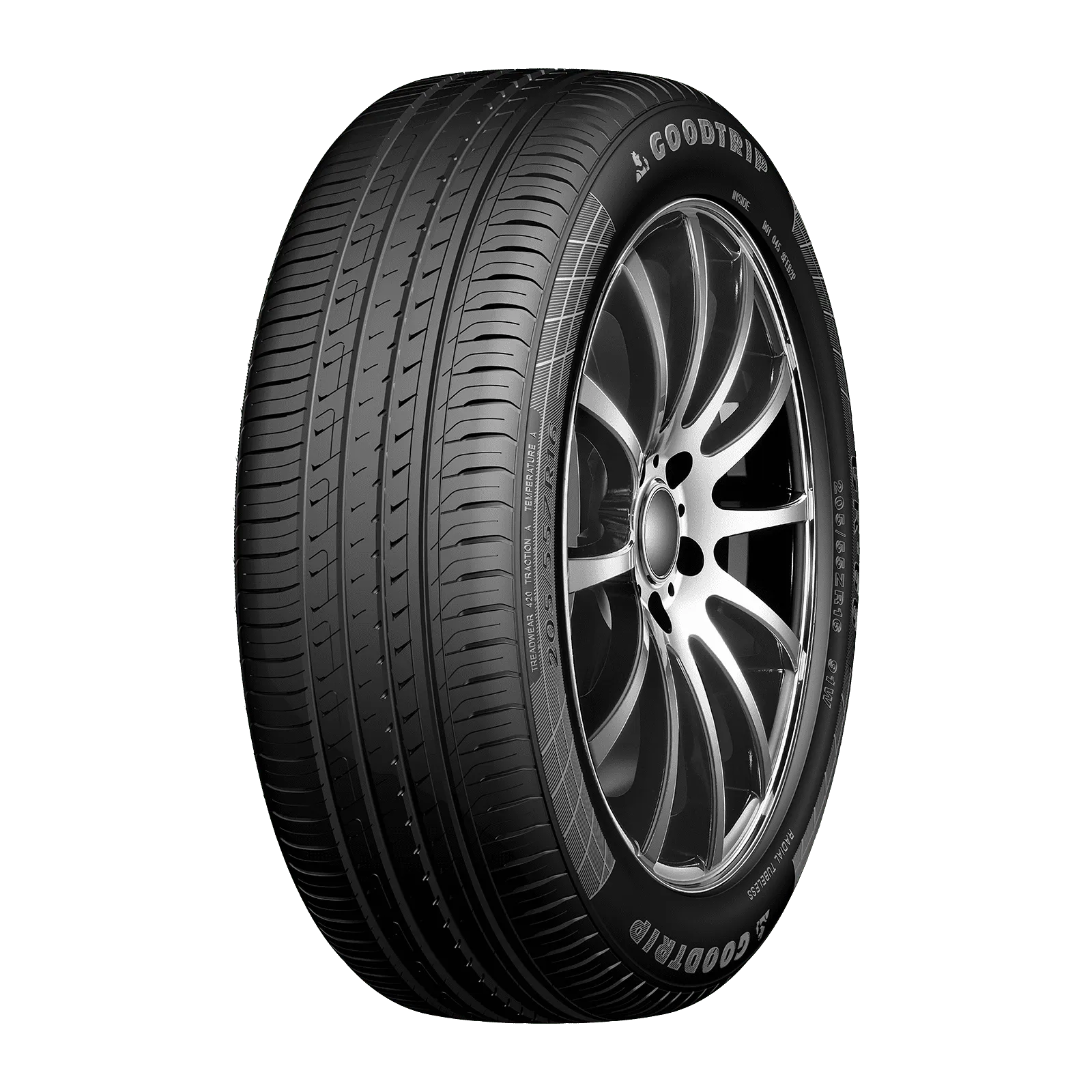
The Goodtrip GR-66 205/60R16 92V offers another all-season option in this size. Its FixGo listing also specifies a 50,000-mile mileage warranty and Road Hazard coverage. Consider it for a mild-weather driving plan, with the same vehicle-specification checks as any replacement tire.
Michelin CrossClimate2: year-round use with 3PMSF
The Michelin CrossClimate2 205/60R16 92V fits the driver who wants a year-round tire with the severe-snow marking. Michelin identifies the model as 3PMSF and provides a 60,000-mile limited mileage warranty. Its snow qualification is the relevant distinction when winter travel includes snow; it is not an ice-braking guarantee. Michelin model details
Key specs for these exact listings
| Model | Sizes | Load Index | Speed Rating | Listed mileage warranty |
|---|---|---|---|---|
| EngineX DuraGuard HP | 205/60R16 | 92 | V | 50,000 miles |
| Goodtrip GR-66 | 205/60R16 | 92 | V | 50,000 miles |
| Michelin CrossClimate2 | 205/60R16 | 92 | V | 60,000 miles |
Specifications come from the linked FixGo listings. Matching these numbers to the vehicle manufacturer’s requirements is the goal; they are not an overall quality ranking.
Tread life: read the warranty, inspect the tire
Neither category name supplies a dependable mileage forecast. Even the examples above show why “all-season always has the longer warranty” is a poor shortcut. Compare the actual coverage and conditions of each model.
For Michelin, an eligible tire that wears evenly before reaching its warranted mileage may qualify for a prorated replacement, meaning the owner still pays a share. Rotation, inspection, ownership and service-record requirements apply; road damage and uneven wear are treated separately. Keep the original invoice and maintenance records. Michelin replacement-tire warranty
A mileage warranty is not a promise of adequate winter grip until that odometer reading. Inspect tread and condition before winter, and follow the applicable inflation and rotation guidance rather than waiting for a warranty milestone. NHTSA tire maintenance
A practical winter-transition checklist
- Review your route. Include the destination and travel time, not only the weather where the car is parked.
- Match the vehicle. Check the door placard and owner’s manual before choosing a size; confirm the manufacturer’s required load and speed specifications.
- Inspect the current set. Look for wear, damage and uneven tread. Check pressure when the tires are cold and use the vehicle’s recommended pressure.
- Reconsider the trip as conditions change. Check forecasts and road conditions, reduce speed and leave more following distance in winter weather. Delay travel when conditions warrant.
These checks follow NHTSA tire-care guidance and its winter-driving advice. For more help interpreting your replacement requirements, see how to choose tires for your car.
FAQ
Does 3PMSF mean an all-weather tire replaces a dedicated winter tire?
Not for every winter. All-weather tires offer a year-round approach with snow qualification, while sustained snowy and icy conditions are a reason to consider dedicated winter tires. Nokian’s seasonal guidance
Is a tire labeled “all-season” automatically missing 3PMSF?
No. CrossClimate2 is a clear example of a manufacturer using both labels. Look for the actual marking and model specification rather than deciding from the category heading alone. Michelin CrossClimate2 specifications
Does a longer mileage warranty prove better snow traction?
No. Mileage coverage and the severe-snow traction qualification answer different questions. Select the winter capability you need, then compare warranty terms and maintenance requirements.
Bottom line
For mild-weather driving, compare conventional all-season options on their individual merits. If seasonal snow is part of your year-round driving, make 3PMSF part of the decision. For persistent snow and ice, assess a dedicated winter setup. In every case, evaluate wet braking, fitment and tire condition separately.
Compare FixGo’s competitively priced EngineX tires for your mild-weather commute, or explore Michelin tires on FixGo for a suitable 3PMSF option such as CrossClimate2. Start with your vehicle’s specifications and the winter conditions you actually expect to encounter.