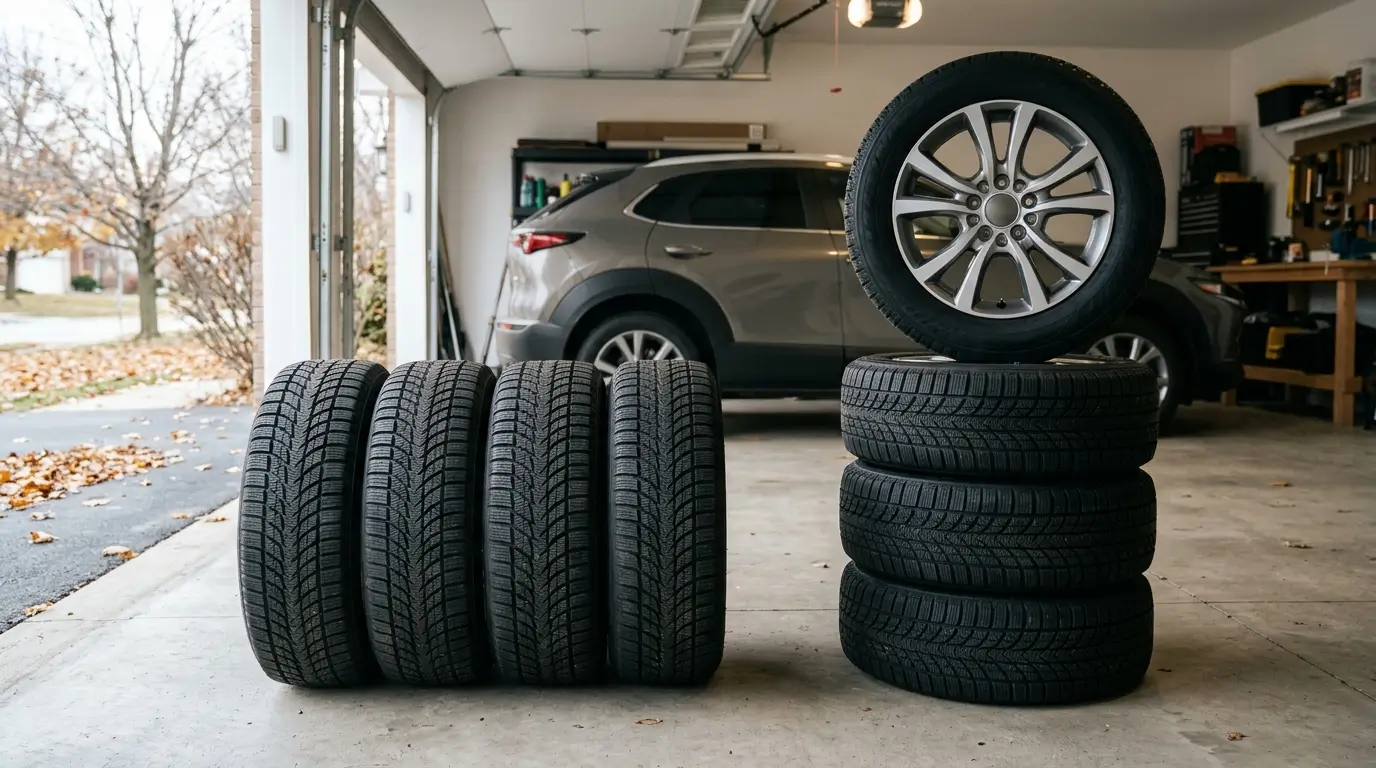
Seasonal loose-tire swapping keeps your existing wheels in service while winter and warm-season tires take turns on them. Dedicated winter wheel packages add a second set of rims, trading an upfront purchase for a different routine each fall and spring.
Quick answer
Choose loose-tire swapping when preserving cash now matters most, your ownership horizon is short, or your actual service quotes leave little annual saving from separate wheels. Choose dedicated winter wheels when the recurring savings repay the extra setup within the time you expect to use them, or when the convenience is worth the remaining cost to you.
Both approaches can use the same winter tires. The financial comparison is therefore about the extra wheels and the work they avoid, with TPMS, storage and equipment included. Bridgestone describes mounting winter tires on a separate set of vehicle-compatible wheels, including pressure sensors where required, and recommends winter tires at all four positions. Bridgestone winter tire guidance.
At a glance
| Decision point | Loose-tire swapping | Dedicated winter wheels |
|---|---|---|
| Wheel purchase | Reuse existing wheels | Buy a second set |
| Seasonal work | Dismount, remount, balance | Exchange complete assemblies |
| TPMS planning | Existing sensors; service as needed | Compatible sensors and relearn plan |
| Home changeover | Professional mounting work | Possible with suitable tools and skills |
| Off-season storage | Unmounted tires | Tires mounted on wheels |
| Financial test | Lower initial commitment | Extra setup versus recurring savings |
Build a fair break-even calculation
Start with two written, itemized quotes for your vehicle. Use totals for all four positions, in the same currency, with taxes and applicable fees treated consistently. A per-tire remount quote and a whole-vehicle wheel-swap quote cannot be compared directly.
Hold the tire cost constant only when both options use the same approved tire model and size. If the dedicated package uses a different vehicle-approved size, include the actual tire and installation costs under each option. Likewise, money already spent on your existing warm-season tires is not a new cost caused by either choice.
1. Separate setup from recurring work
Define L0 as the one-time setup cost for loose-tire swapping and W0 as the one-time setup cost for dedicated wheels, excluding identical tire purchases. The additional startup commitment is Δ0 = W0 − L0.
For the dedicated setup, request separate lines for wheels, compatible sensors if needed, wheel-specific hardware, initial mounting and balancing, and any tools or storage equipment you must buy. A wheel listing alone is not a complete package. Ask exactly what assembly and installation work the package quote includes.
Then calculate annual recurring totals:
- L: Fall remounting and balancing, spring remounting and balancing, applicable TPMS service, and annual storage or handling charges for loose tires.
- W: Fall and spring complete-wheel changes, applicable TPMS relearns or service, and annual storage or handling charges for mounted assemblies. Include any separately quoted balance checks or other required work.
Use actual fall and spring quotes; do not assume the two visits cost the same. If initial assembly or the first vehicle installation is included in a package, count that work once. A first-year discount belongs in the first-year cash flow, rather than in every future year's savings.
2. Divide the extra setup by the annual saving
For a comparison with constant annual costs and a positive extra setup cost:
Annual cash saving: S = L − W
Simple break-even years: Δ0 ÷ S, provided S is positive
Round up when evaluating complete annual cycles. For a purely arithmetic illustration, if your extra setup costs equal three times your annual saving, payback occurs after three complete annual cycles. At two seasonal changes per year, that is six changes. This is a way to interpret your quotes, not a typical market payback period.
If S is zero or negative, there is no recurring-cost payback of a positive upfront difference under those assumptions. You may still value the convenience, but it belongs in a separate decision.
For uneven costs, list each dated expense from now until your planned vehicle sale. Compare cumulative spending at each changeover. This handles package inclusions, changing storage fees and irregular service more accurately than the simple formula. It also avoids calling a fractional year an exact appointment date.
3. Stress-test the result
Try the calculation with paid storage and with space at home; with professional wheel swaps and with safe DIY swaps; and with a shorter ownership horizon. Set resale proceeds to zero for the baseline, then add a separate scenario only if you have a credible resale estimate. Do not assume the wheels will fit your next car.
Keep a second line for personal time: travel, waiting, transporting tires and doing the work yourself. You can assign your own value to those hours, but distinguish that preference from money actually saved on invoices. Similarly, leave hypothetical damage savings out of the baseline instead of assuming each remount creates a replacement bill.
Key differences: bead handling and maintenance
With loose tires, each seasonal visit involves removing and reinstalling tires on the rims. With separate wheels, the tires can stay mounted during ordinary seasonal changes. That removes the repeated bead-handling step from those changes.
Michelin advises checking previously mounted tires and inspecting beads for cuts, tears or deformation. It notes that installation or demounting can damage the bead and compromise its seal; correct preparation and lubrication help avoid damage. Treat this as a workmanship and inspection issue, rather than budgeting a fixed amount of tire life lost per swap. Michelin pre-mounting inspection guidance.
A separate wheel set also does not eliminate balance checks. Michelin explains that weights can shift or fall off and wear can change balance. New vibration deserves attention even when the tires have stayed on their rims. Michelin wheel balancing guidance.
TPMS: distinguish the sensor from its service parts
For valve-mounted direct TPMS, tire removal can snag the sensor or valve stem. Avoiding that operation during a complete-wheel change avoids that particular exposure. Indirect TPMS has no pressure sensor inside each tire, so identify your system before budgeting for additional sensors. Schrader's sensor-damage guidance.
Schrader recommends replacing applicable sealing components when a tire is dismounted. Those service-kit parts are different from the complete electronic sensor: a service-kit charge does not automatically mean the whole sensor needs replacement. For a second wheel set, budget compatible sensors where required and establish the vehicle's relearn procedure before assuming every future change can happen entirely at home. Schrader TPMS replacement guidance.
Ask the installer which charges recur, which are one-time setup, and what happens when either set goes back on the vehicle. Our TPMS sensor replacement guide explains the distinction between sensor replacement and relearning.
Scheduling and driveway convenience
A complete-wheel setup gives you the option to exchange assemblies without arranging another tire-to-rim mounting job. That can be useful if your preferred shop's peak-season calendar is full. However, a shop-performed wheel swap still needs an appointment, and a DIY swap may still require help with TPMS or another issue.
Before choosing, ask for the first available appointment for each service, not just the time spent in the bay. Add travel, drop-off, collection and storage retrieval to your calendar. Michelin recommends preparing and scheduling winter fitting before cold weather arrives; plan around your driving conditions rather than waiting for the first urgent trip. Michelin winter preparation guidance.
For a driveway swap, assess whether you can safely handle the assemblies and follow your vehicle's lifting and wheel-installation instructions. Budget suitable lifting equipment, the correct wheel tools and a torque wrench if you do not already have them. Use the manufacturer's lifting points and fastener torque. If safe lifting, handling or tightening is beyond your equipment or experience, include professional wheel swaps in the calculation. Michelin wheel-changing guidance.
Storage changes the economics of both options
Both plans leave you with an off-season tire set to store. Separate wheels do not remove that need; they change what you must move and accommodate.
Michelin recommends cleaning and drying the tires and wheels, then using a cool, dry indoor location away from sunlight, heat and ozone sources. Mounted tires can be stacked or hung; unmounted tires should stand upright, rather than being stacked or hung. Mark their previous positions and inspect them before reuse. Michelin tire storage guidance.
Measure the available space and plan the route between storage and the vehicle. For paid storage, obtain separate quotes for loose tires and mounted assemblies, including retrieval and transport if charged. Equal storage costs cancel in the comparison; only the difference changes the break-even result.
Choose the winter tires and wheels around the vehicle
Before buying wheels, confirm diameter, width, bolt pattern, offset, load capacity and clearance against the vehicle and wheel manufacturers' fitment specifications. Matching diameter alone is insufficient: RAYS requires compatible wheel size, bolt-hole count, PCD, offset and mounting-surface shape, and calls for checking interference with protruding components at the brake drum or mounting surface. RAYS wheel manual. Michelin specifies matching tire/rim diameter and an approved rim width. Michelin compatibility guidance.
Also verify center bore, hub-ring requirements, lug-seat type, thread and engagement, brake-caliper clearance, overall tire diameter, rolling circumference, and any staggered or AWD restrictions specified by the vehicle manufacturer. See Konig wheel-fitment guidance, McGard fastener guidance and Michelin tire-size and 4WD guidance.
Confirm tire size, load index and speed rating against the vehicle manufacturer's requirements. Treat a different wheel diameter as a fitment decision requiring approval, not an automatic cost-saving step. NHTSA recommends the original tire size or another size recommended by the vehicle manufacturer. NHTSA tire guidance.
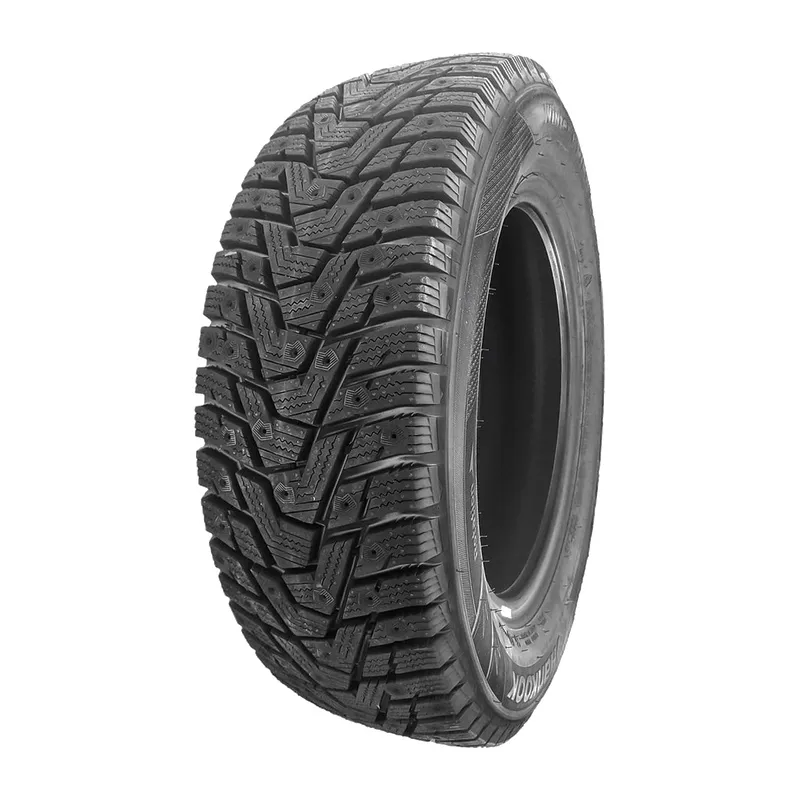
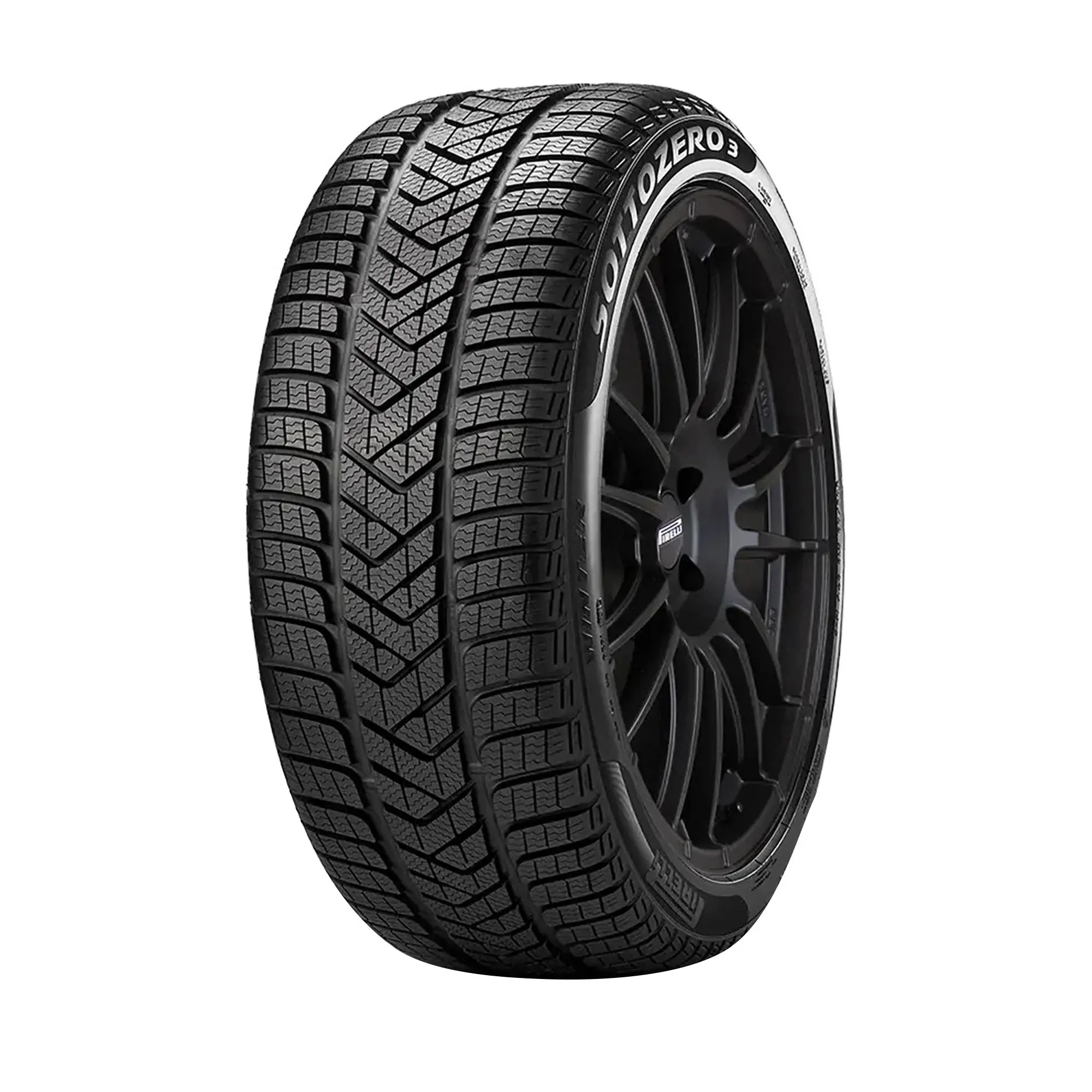
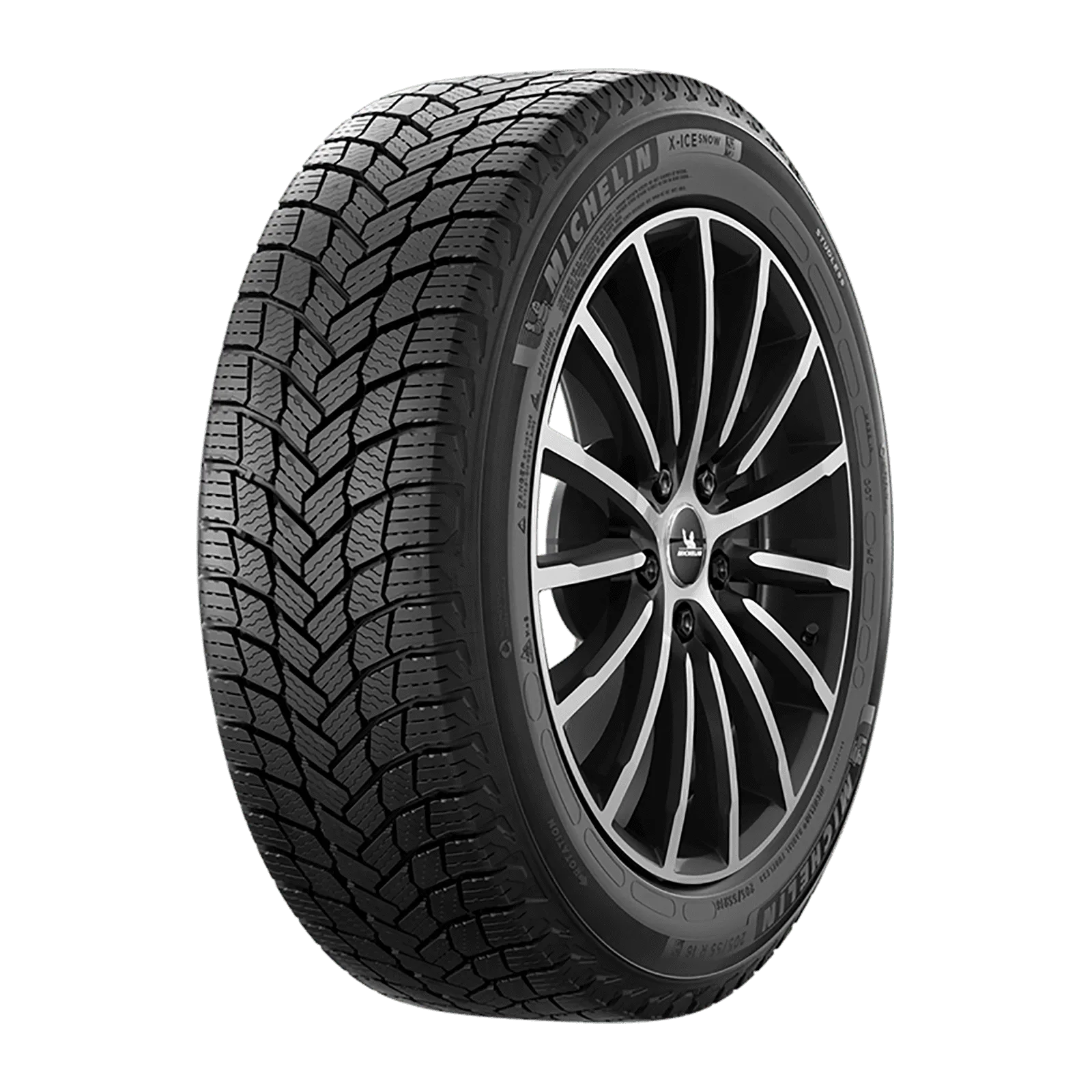
These winter tire options from FixGo cover different specifications. Compare the entry that matches your approved fitment; the rows are not interchangeable alternatives for one vehicle. The tire listings exclude rims.
| Winter tire | Sizes | Load Index | Speed Rating |
|---|---|---|---|
| Hankook Winter i*Pike RS2 W429 215/60R16 99T XL (unstudded) | 215/60R16 | 99 | T |
| Pirelli Winter Sottozero 3 XL T0 ELECT PNCS | 255/45R19 | 104 | W |
| Michelin X-Ice Snow | 195/60R16 | 89 | H |
The Hankook Winter i*Pike RS2 W429 listed here is the unstudded (studdable) version, part number 1026829, in 215/60R16 99T XL. Hankook lists that material code as not studded; the studded version has a separate material code, 1026828. Hankook specifications.
The Pirelli Winter Sottozero 3 listed here is 255/45R19 104W XL T0 ELECT PNCS, part number 3954100. Preserve all four variant markings when comparing or ordering. T0 designates a specific Tesla OE version; different variants cannot be treated as the same item based solely on size and 104W. Confirm the exact version against your vehicle manufacturer's requirements. Pirelli variant specifications and Tesla T-mark guidance.
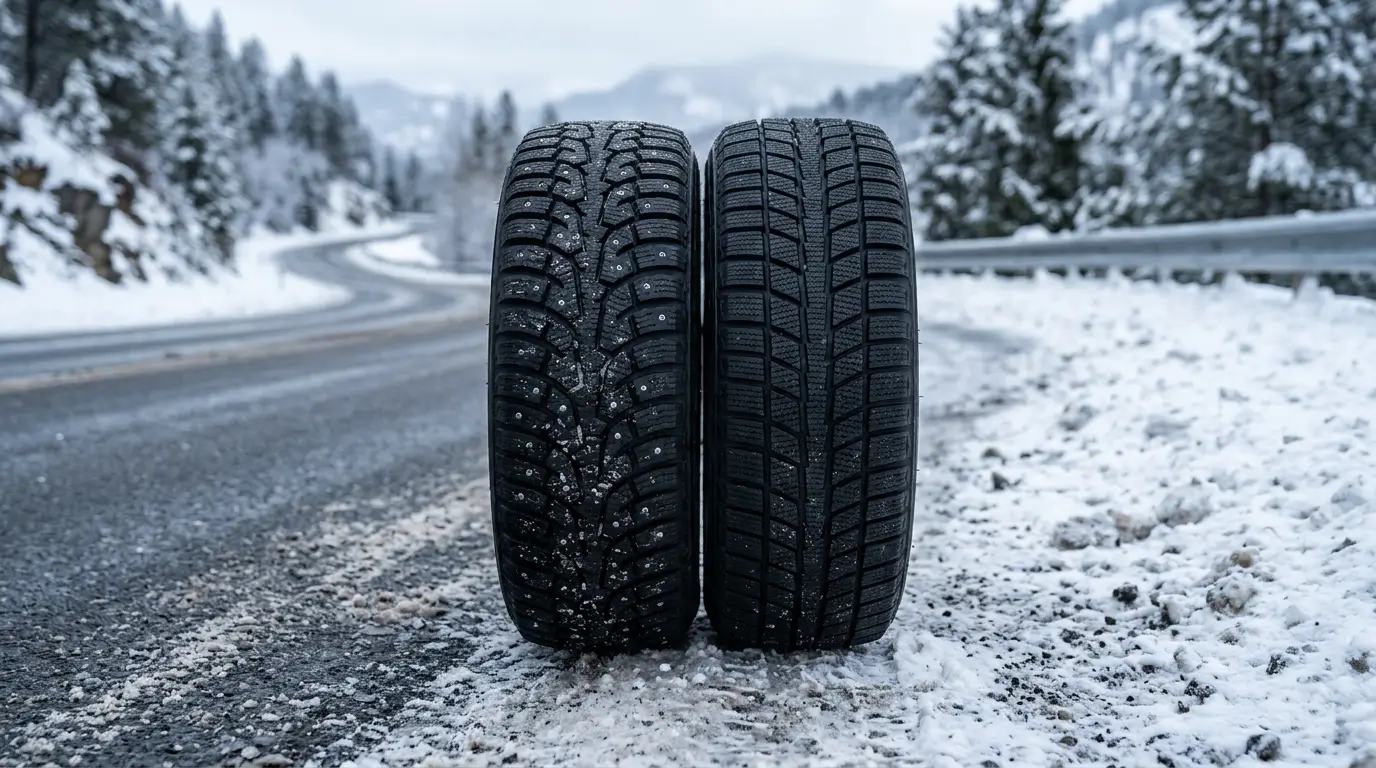
For the separate question of winter tread selection, read our studded versus studless winter tire comparison.
Which approach fits your ownership plan?
Stay with loose-tire swapping if the upfront wheel commitment strains your budget, you expect to change vehicles before payback, or your remount quotes make the annual saving small. Arrange the seasonal visits and storage before committing.
Choose dedicated winter wheels if the complete setup fits the vehicle, storage works, and the saving recovers your investment within your planned ownership. It can also make sense when scheduling flexibility is worth a deliberate additional expense to you.
FAQ
Do dedicated wheels pay for themselves in a fixed number of winters?
No universal number applies. Divide your extra setup cost by your annual cash saving, or compare dated cash flows if the costs vary. If there is no positive annual saving, the simple payback calculation does not recover a positive setup difference.
Does a wheel swap remove every shop visit?
It can remove the seasonal remounting job. Whether you can complete the change at home depends on safe equipment use, your vehicle's TPMS procedure and the condition of the assemblies.
Should I buy wheels before deciding how to store them?
Make the storage plan part of the purchase decision. Include any new equipment and recurring storage charges before calculating payback.
Bottom line
The useful comparison is your complete incremental setup cost versus your complete recurring saving. Match the equipment to the vehicle, count every included service once, and compare the result with how long you expect to keep using the setup.
Explore current prices for the winter tire options above, then confirm vehicle fitment, package contents, installation availability and seasonal-service costs before ordering. FixGo offers tire installation through partner shops in Greater Los Angeles and San Diego; check the available installation option for your selected tire and location when planning the job.