Choosing studded vs. studless winter tires starts with the roads you actually drive: recurring ice, packed snow, or long stretches of cleared pavement. The right choice also has to fit your vehicle and remain legal throughout your route.
Quick answer
For a cold-weather commute mixing snow with plowed roads, consider a dedicated studless winter tire. For repeated icy-road travel, studs deserve consideration where permitted—but their benefit depends on the ice and the tire, and comes with pavement wear, noise, and seasonal restrictions. Nokian Tyres’ selection guidance makes road conditions central to the decision.
Treat chain equipment as a separate part of your winter plan. California explicitly says studded tires cannot replace required chains; Oregon allows traction-tire substitutions only under defined conditions. Caltrans, ODOT.
At a glance
| Decision point | Studded winter tires | Studless winter tires |
|---|---|---|
| Ice traction approach | Metal studs plus winter tread | Winter compound and biting edges |
| Frequent icy routes | Worth considering where legal | Compare ice-focused designs |
| Cleared pavement | Stud abrasion; braking tradeoffs | No metal-stud abrasion |
| Noise priority | More stud-related road sound | Generally quieter on clear roads |
| Seasonal ownership | Track legal installation/removal dates | Still intended for winter use |
| Chain controls | No automatic exemption | No automatic exemption |
The tradeoffs above follow ODOT’s traction-tire guidance, Nokian’s winter-tire advice, and Bridgestone’s explanation of winter construction.
Key differences on ice, snow, and cleared roads
Metal studs need a surface they can bite
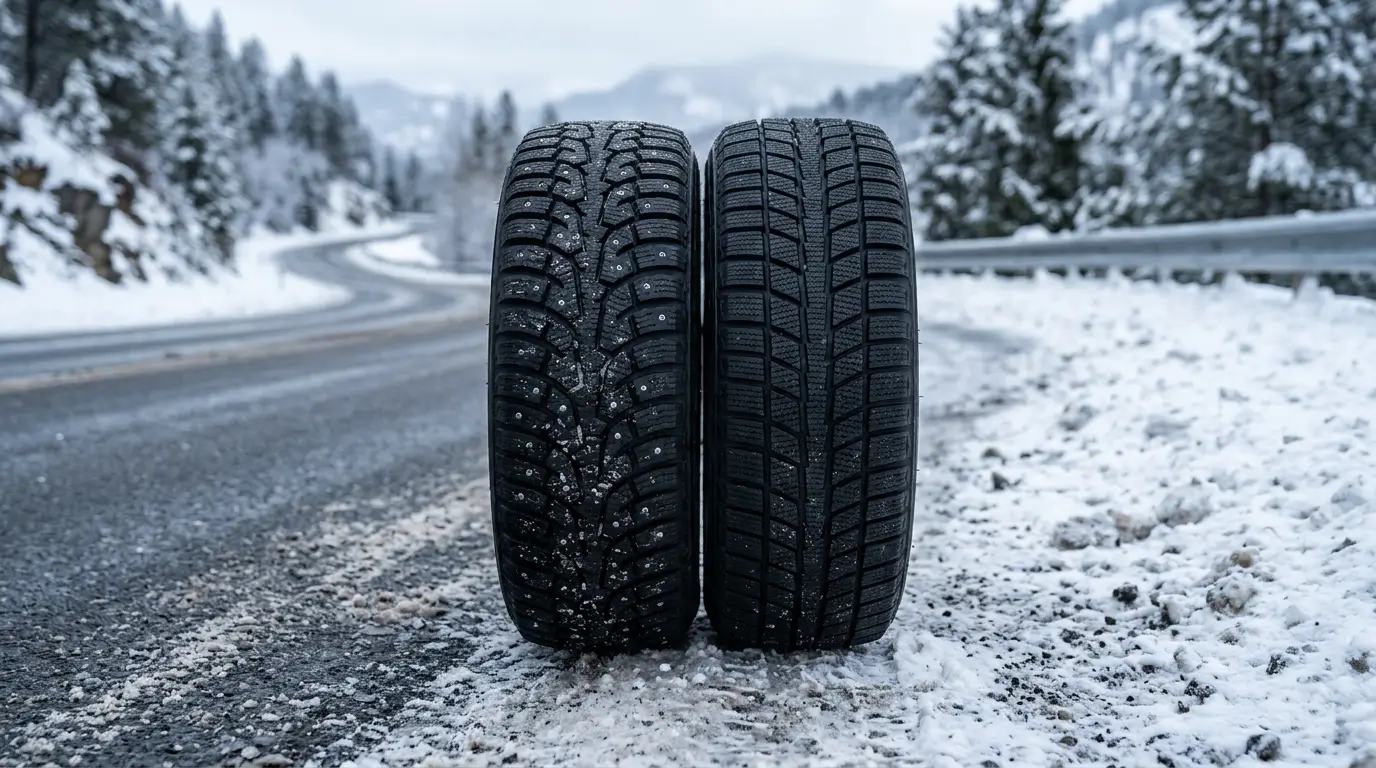
Studded tires add metal contact points that can bite into an icy surface. This is relevant on icy roads and hard-packed snow, but “harder ice” does not mean “more benefit from studs.” As ice becomes colder and harder, the studs’ ability to bite can diminish.
A WSDOT research synthesis from October 2002 describes the strongest stud advantages around near-freezing ice and emphasizes the importance of temperature and surface conditions. That is useful background for the mechanism, rather than a stopping-distance ranking of today’s tires. For route planning, Nokian advises extra care at intersections and bends where wet ice or packed snow can be present.
Studless tires combine rubber chemistry with tread edges
Modern studless designs rely on several features working together. Winter compounds remain flexible in cold conditions; fine tread cuts called sipes create biting edges; tread channels help move water and slush away. Bridgestone explains these construction features.
Hydrophilic technology and siping describe different things. For example, Bridgestone describes the Blizzak DM-V2’s MultiCell compound with a hydrophilic coating as helping remove water at the contact surface for snow and ice traction. Sipes supply edges; that particular compound technology addresses water. These features should be compared by model, because a proprietary MultiCell formulation is not shared by every studless tire. Bridgestone DM-V2 technology.
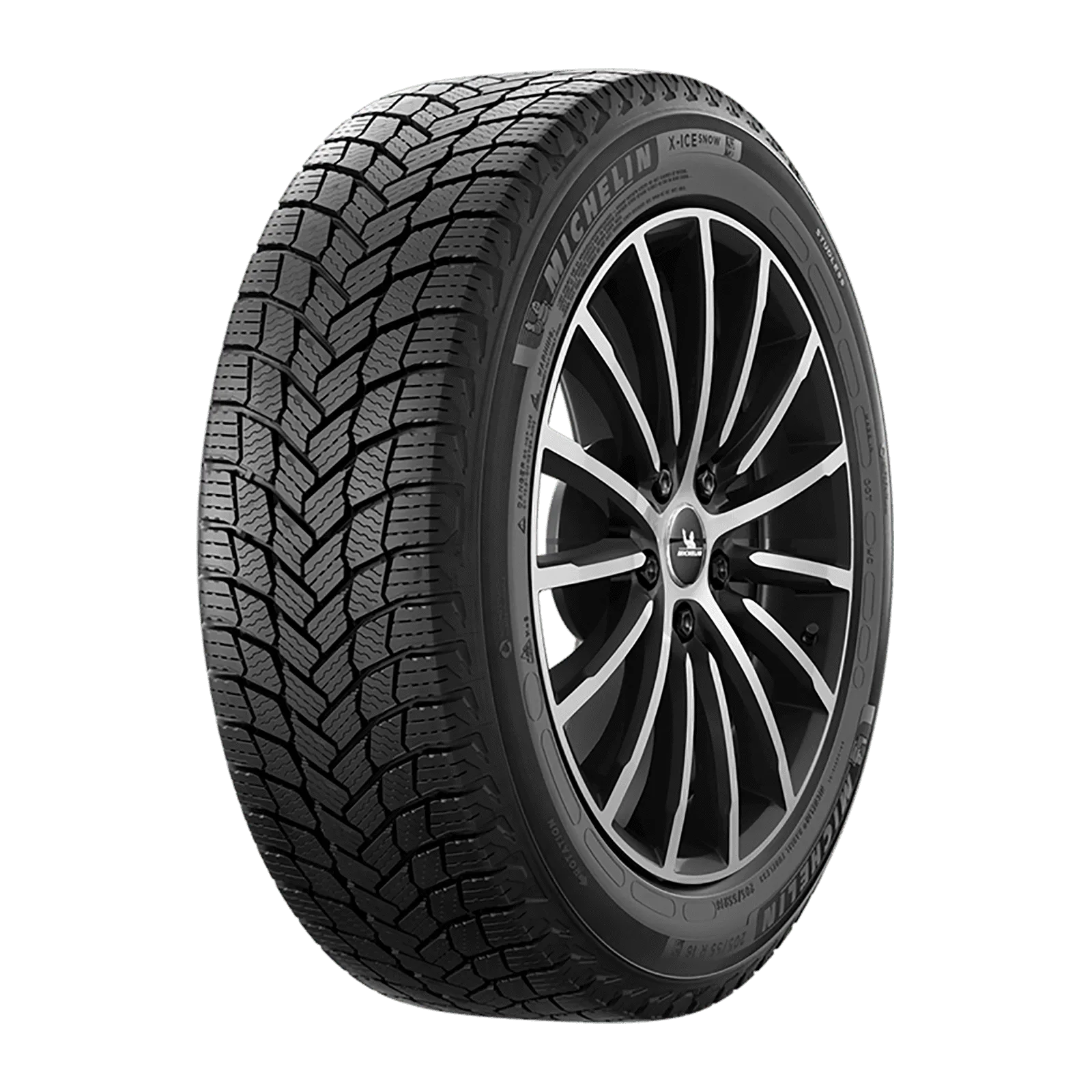
Michelin takes another approach in the X-Ice Snow, combining a silica-based Flex-Ice 2.0 compound with two types of full-depth 3D sipes. These examples show why the exact winter-tire design matters alongside the presence or absence of studs. Michelin technical sheet.
Wet braking and asphalt damage are separate tradeoffs
Once ice gives way to cleared pavement, studs are no longer working against the same surface. The WSDOT synthesis reports that studded tires can lengthen stopping distances on wet or dry pavement, with results varying by pavement and conditions. An ice advantage therefore should not be treated as an automatic wet-braking advantage.
Road wear is a different issue. ODOT’s literature review, revised January 2021, explains that studs remove small amounts of pavement material on dry surfaces. Over time, rutting can collect water and ice and create additional driving hazards. ODOT consequently encourages drivers to consider non-studded traction tires or chains. ODOT winter-tire guidance.
For a route with substantial cleared-road mileage, weigh those everyday conditions alongside the icy section that prompted the purchase.
Noise and comfort matter on the miles between storms
If quietness is a priority, studless winter tires generally have the advantage on clear roads. Nokian specifically recommends non-studded tires for that preference, while noting that modern studded designs can reduce the sound. Nokian’s noise guidance.
Think about comfort in two parts: the road sound you hear and the ride characteristics of the particular model. Bridgestone lists ride comfort among the WS90’s features, for example. Use that model-level information when comparing options rather than treating the absence of studs as a complete comfort specification. Bridgestone WS90.
California and Oregon studded-tire dates for 2026
The following are the ordinary seasonal windows in the agencies’ guidance checked October 21, 2026. Check current state notices before fitting studs or crossing a state line.
| State | Ordinary permitted window | Outside that window |
|---|---|---|
| California | November 1–April 30 | May 1–October 31 |
| Oregon | November 1–March 31 | April 1–October 31 |
California: Caltrans permits studded snow tires statewide during its November–April window. The normal season ending in 2026 finished April 30; the next begins November 1, 2026. Caltrans seasonal rules.
Oregon: ODOT’s window ends a month earlier. Under the ordinary rule, an April trip that permits studs in California does not permit them in Oregon. ODOT also specifies rigid studs projecting 0.04–0.06 inch beyond the tread and wearing at the same rate as it. Seasonal permission and equipment requirements both matter. ODOT dates and stud requirements.
On October 21, 2026, both states are outside their ordinary studded-tire windows. These two states are examples, not a nationwide rule.
Why studs do not get you through every chain checkpoint
For passenger-vehicle planning, Caltrans’ Chain Controls page describes:
- R1: Qualifying passenger vehicles and light-duty trucks under 6,000 pounds gross weight can use snow tires on at least two drive wheels instead of installing chains, but must carry chains. Towing has additional requirements.
- R2: The stated exception is for four-wheel/all-wheel-drive vehicles with snow-tread tires on all four wheels. They still must carry traction devices.
- R3: Chains or traction devices are required on all vehicles, without exception.
Follow the actual signs and checkpoint instructions. Caltrans separately specifies M+S-type sidewall markings and at least 6/32 inch tread for its snow-tire definition. Studs themselves do not turn a tire into an approved replacement for chains. Caltrans tire and chain FAQ.
Oregon has its own system. In typical winter conditions, traction tires can substitute for chains on vehicles rated at 10,000 pounds GVW or less that are neither towing nor being towed. During a conditional road closure, all vehicles may have to use chains regardless of their tires. ODOT chain law.
Carry equipment compatible with your vehicle’s manual and the route’s requirements, and check controls before departure. Caltrans traction-device guidance.
Winter tire options on FixGo
Start with the vehicle’s required size and specifications. These examples cover different sizes and are not interchangeable alternatives for one vehicle. NHTSA advises using the original size or another size recommended by the vehicle manufacturer. NHTSA tire selection.
| Model | Sizes shown | Load Index | Speed Rating |
|---|---|---|---|
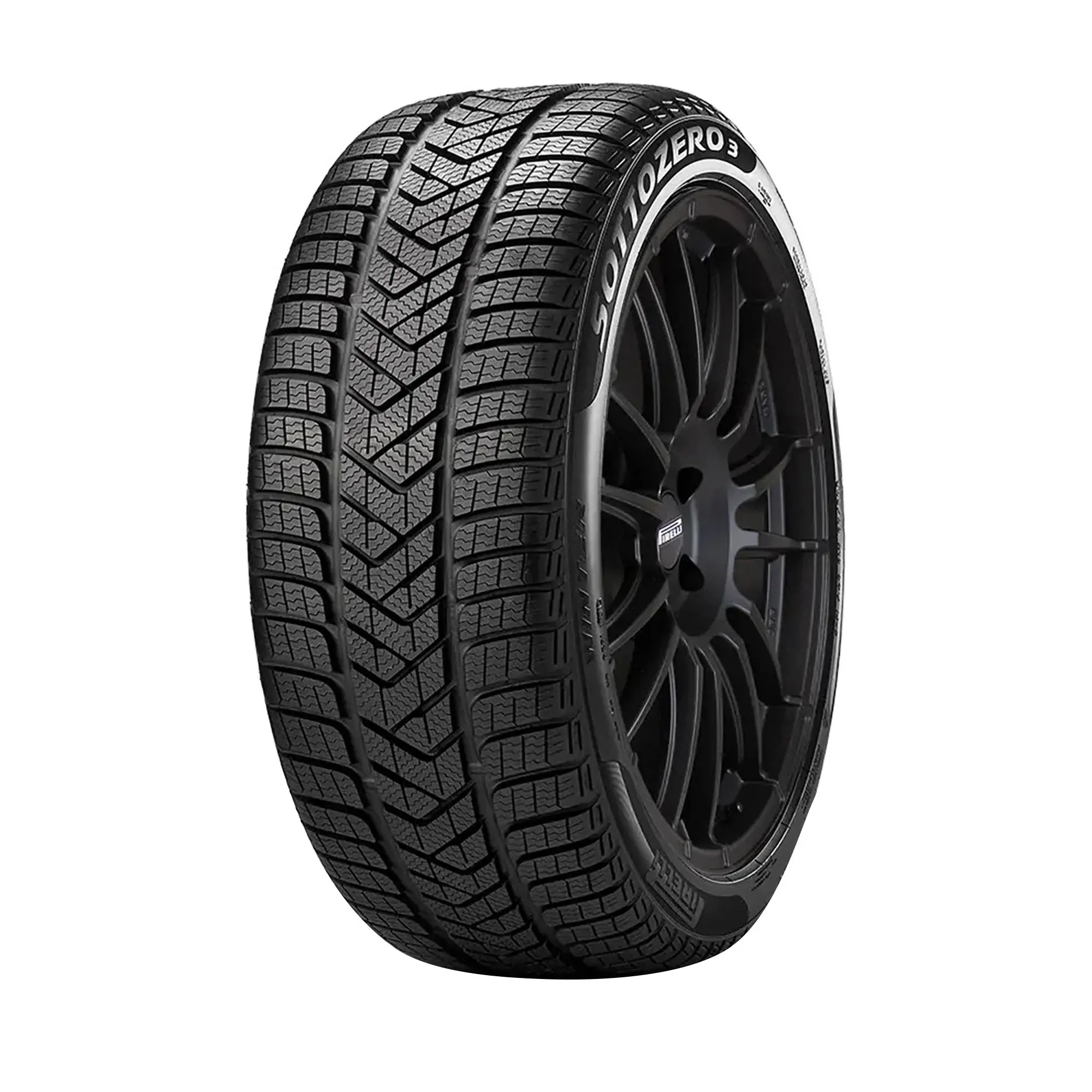
| Pirelli Winter Sottozero 3 | 255/45R19 | 104 | W |
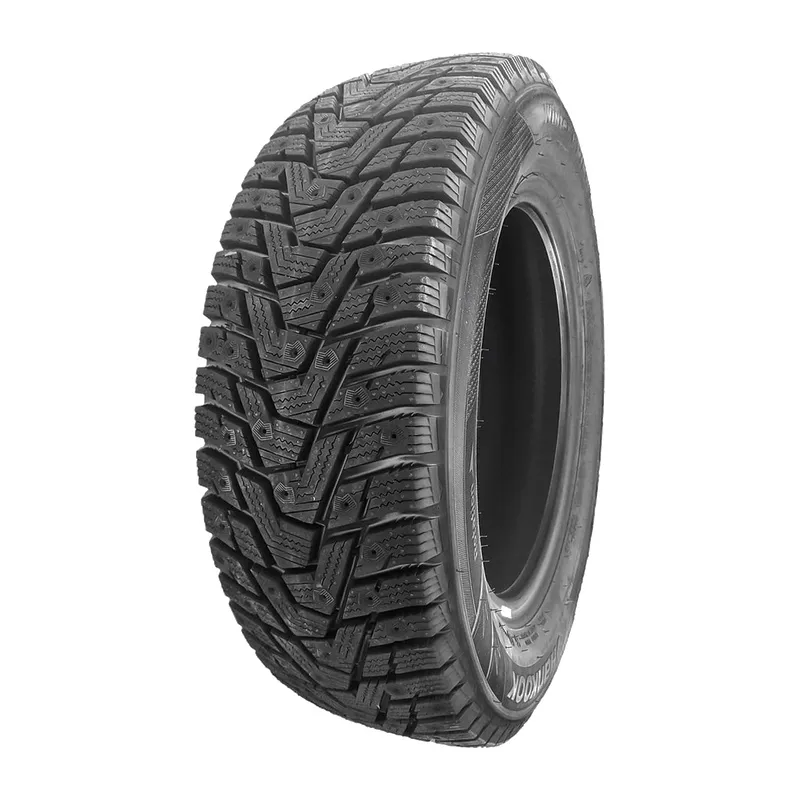
| Hankook Winter iPike W429 | 215/60R16 | 99 | T |
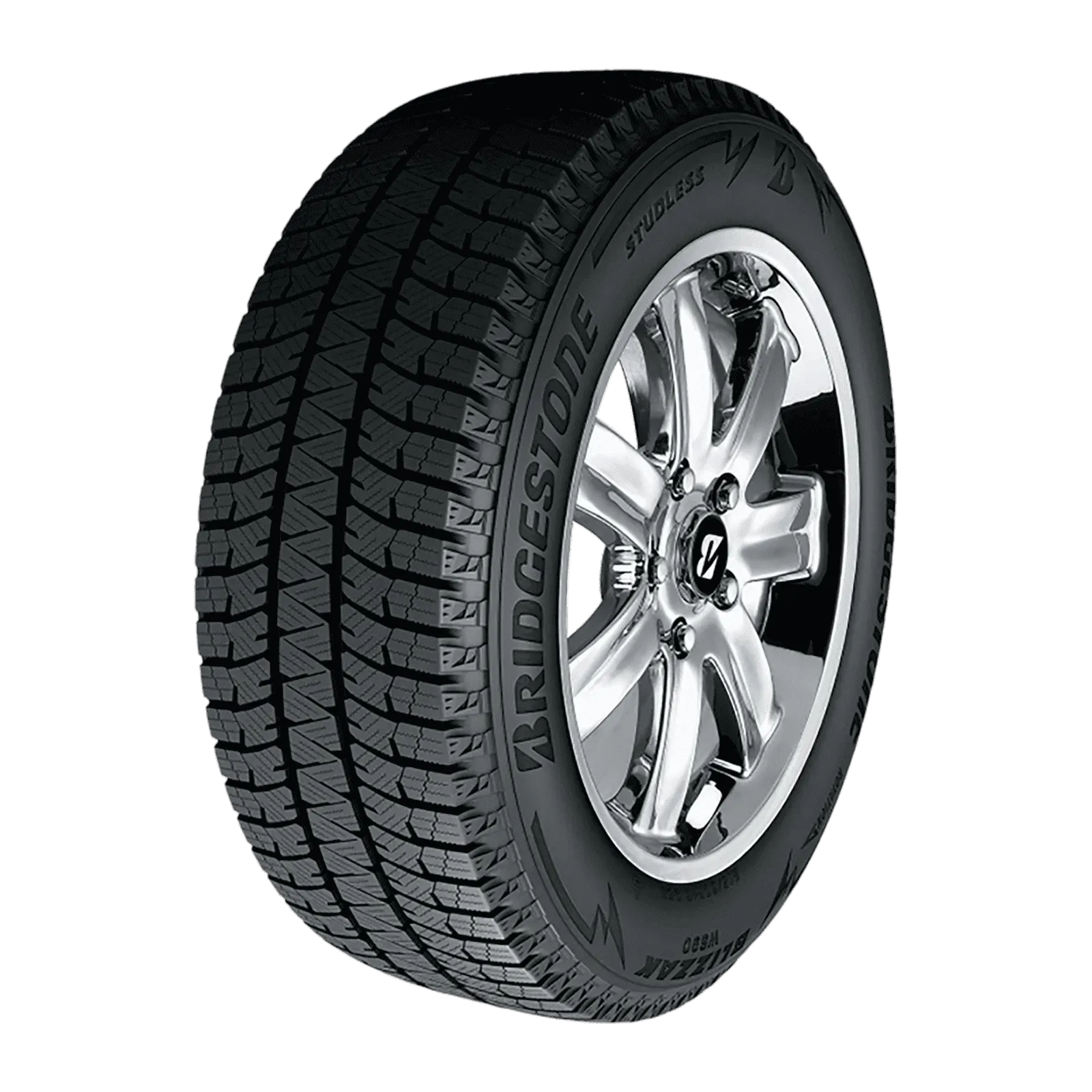
| Bridgestone Blizzak WS90 | 235/65R16 | 103 | T |
| Michelin X-Ice Snow | 195/60R16 | 89 | H |
- Pirelli Winter Sottozero 3: Consider this performance-winter option when cleared-road handling is a major part of your winter use. Pirelli describes 3D sipes for dry handling and wider grooves for wet handling and braking. Pirelli design details.
- Hankook Winter i*Pike RS2 W429: Hankook lists material code 1026829 in 215/60R16 99T XL as the unstudded version of this studdable winter tire. “Supplied without studs” is different from a purpose-designed studless winter tire. Confirm the manufacturer part number and whether studs are installed on the exact FixGo item before ordering. Hankook W429 specifications.
- Bridgestone Blizzak WS90: Consider it for winter use focused on snow and ice; its MultiCell technology is designed to help combat ice slippage. The linked example is 235/65R16 103T. Bridgestone features.
- Michelin X-Ice Snow: Another option for snow-and-ice priorities, using cold-flexible compound technology and full-depth 3D sipes. The linked example is 195/60R16 89H. Michelin construction details.
Before the first winter trip
Use winter tires at all four wheel positions; installing them only at the front can leave the rear with less grip. Bridgestone’s four-tire guidance.
Check tire condition and cold inflation pressure against the vehicle label or owner’s manual. Reduce speed and increase following distance in slippery conditions. NHTSA tire care, NHTSA winter driving.
If you are still deciding between seasonal and year-round categories, read our all-weather vs. all-season comparison.
FAQ
Are studded tires always better on ice?
No. Ice temperature, surface conditions, and tire design affect the result. Studs can help in particular icy conditions, but colder, harder ice can reduce their advantage. WSDOT traction research.
Can studless winter tires stay on all summer?
Plan them as seasonal winter equipment. Avoid treating freedom from studded-tire dates as a reason for year-round use; Nokian identifies non-studded winter tires as primarily winter products. Nokian seasonal guidance.
Does AWD with studded tires mean I can leave chains at home?
No. California requires vehicles using its AWD snow-tire exception to carry traction devices, and R3 requires devices on every vehicle. Caltrans chain controls.
Bottom line
Choose around the route: recurring ice may justify studs where legal; mixed snowy and cleared-road travel makes studless winter designs worth close consideration. Put the state’s removal date and your chain equipment on the same checklist as tire fitment.
Compare the winter tire options above on FixGo for competitive pricing, then select the exact specification required by your vehicle before checkout.