
Best Tires for Southern California Drivers: LA Freeways, Inland Empire Heat, and Mountain Weekend Routes
From Michelin and Goodyear to value-focused EngineX, find the best tires for Southern California drivers built for LA freeway commutes, Inland Empire heat, and weekend trips to Big Bear and Wrightwood.
Choosing the best tires for Southern California is less about chasing one "perfect" tire and more about matching a single set to the three things SoCal drivers actually do: grind through freeway traffic on I-405, I-10, I-210, and SR-110; rack up long, hot miles across the Inland Empire; and head for the mountains on the occasional weekend run to Big Bear, Wrightwood, or Mammoth. The good news is that for most local drivers, one well-chosen all-season (or all-weather) tire covers all three. This guide walks through how to pick that tire by how and where you drive, with trusted options from Michelin, Goodyear, Bridgestone, and Continental alongside value-focused picks from EngineX.
This guide reflects FixGo's hands-on experience operating a Southern California partner network, including 200+ partner shops across greater Los Angeles and 20+ partner shops in the San Diego area. Our technical content is reviewed by installation professionals who see these issues firsthand, every day.
Why Southern California Needs a Different Tire Strategy
Most national "best tire" lists are written for a generic climate that does not exist here. Southern California is hot, dry, and mostly snow-free at sea level, but the terrain changes fast the moment you leave the basin. A daily I-10 commuter and a weekend Angeles Crest driver can own the exact same car and still need different priorities from their tires.
For SoCal, three forces shape the decision:
- Heat and UV. Sustained Inland Empire summer heat raises both pavement and tire temperatures, which accelerates rubber aging and rewards heat-stable compounds and solid construction.
- High freeway mileage. Long stop-and-go commutes put a premium on tread life, ride comfort, and low noise rather than aggressive grip.
- Occasional elevation and surface changes. A few weekends a year you may face wet switchbacks, light snow at altitude, or loose granite on a forest road — even though 95% of your miles are dry pavement.
The takeaway: build your tire choice around your everyday driving, then add just enough capability for the few days you go off-script. Potholes are a real LA nuisance, but they are one sub-factor here, not the whole story — if pothole-prone routes are your main concern, our Los Angeles commuter tire guide digs deeper into impact resistance.
Key Specs at a Glance
The table below maps common SoCal tire categories to representative options and the real local scenarios each one fits. National-brand rows are shown as category references; sizes and load ratings vary by fitment, so confirm yours before buying.
| Category / Representative Model | Available Sizes | Load Index | Ply / Load Range | Speed Rating | SoCal Typical Use / FixGo Install Scenario |
|---|---|---|---|---|---|
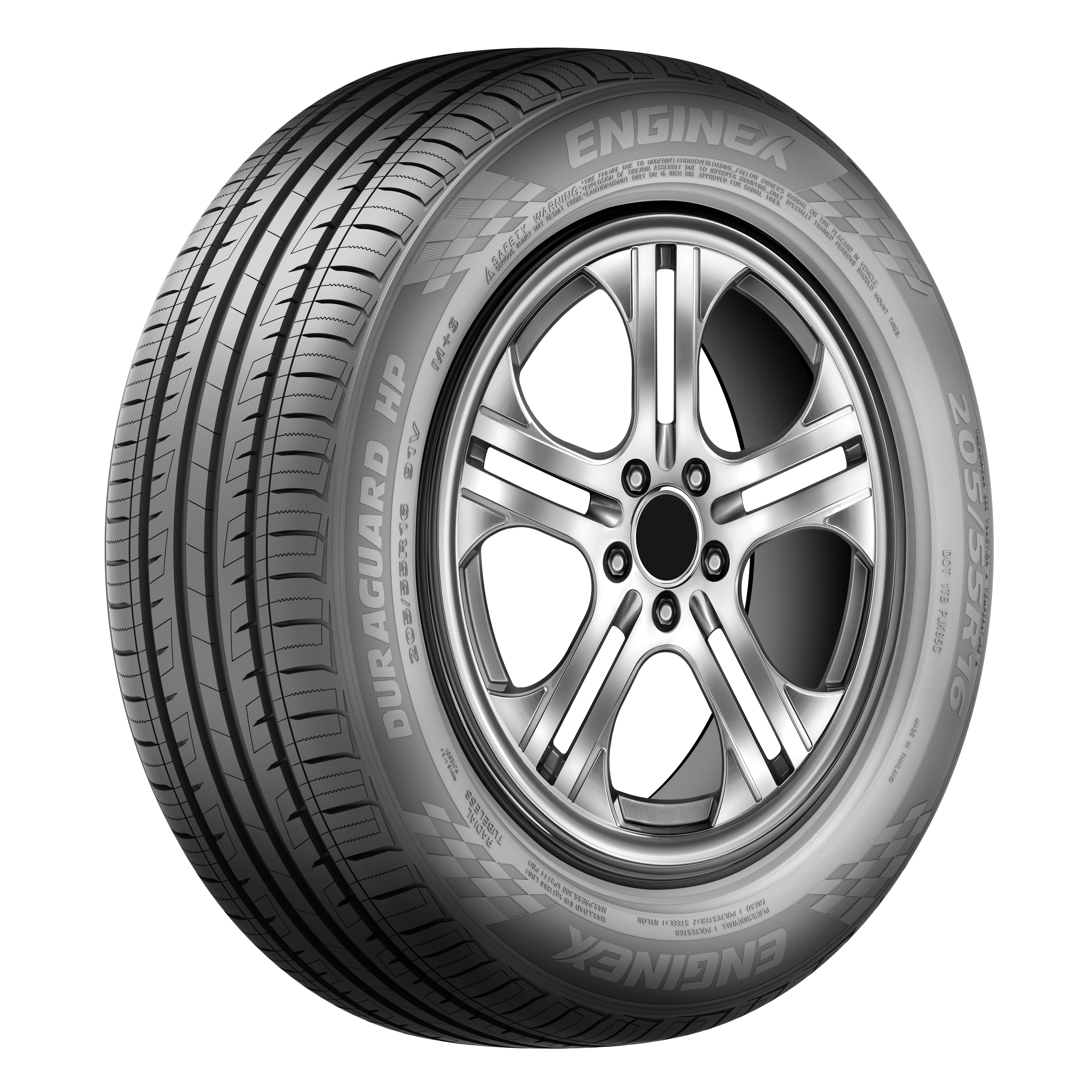
| Value daily all-season — EngineX DuraGuard HP | 215/60R16 (one of several passenger sizes) | 95 | SL (passenger radial) | V | San Gabriel Valley sedan, I-10 / SR-110 daily commute |
| SUV/crossover highway H/T — EngineX MaxTour H/T | P225/65R17 (one of several SUV/light-truck sizes) | 102 | SL (passenger radial) | T | Ontario-to-LA crossover commute on I-10, family highway miles |
| Light all-terrain A/T — EngineX TerraGrip A/T | 275/60R20 (one of several truck/SUV sizes) | 119 | Reinforced (XL-class) radial | H | Santa Clarita half-ton truck, commute plus Rowher Flats fire roads |
| Premium all-weather (3PMSF) — e.g. Michelin CrossClimate2 | Varies by fitment | Varies by fitment | SL / XL by size | H / V typical | Pasadena driver with regular Big Bear / Wrightwood winter trips |
| Premium touring all-season — e.g. Goodyear, Bridgestone, Continental | Varies by fitment | Varies by fitment | SL / XL by size | H / V / W typical | Westside commuter prioritizing quiet, long-wearing freeway miles |
Scenario 1: LA Freeway Commuters
If your week is mostly I-405, I-10, I-210, and SR-110, you are a high-mileage pavement driver, and your tire priorities are comfort, quiet, wet braking, and tread life — in that order. Aggressive grip and snow capability barely matter; what wears you down is road noise on grooved concrete and a harsh ride over expansion joints and patched potholes.
What to look for:
- Low noise and a compliant ride for grooved freeway surfaces. Touring all-seasons from Michelin, Goodyear, Bridgestone, and Continental are benchmarks here, and our quiet commuter tire breakdown covers what actually makes a tire quiet.
- Confident wet braking for those few sudden SoCal downpours that leave oily pavement slick.
- Long, even tread life, since freeway commuters burn through miles quickly. Rotate on schedule and watch for the early wear patterns described in our when-to-replace guide for LA drivers.
For budget-conscious sedan and compact-crossover commuters, the EngineX DuraGuard HP is a sensible value all-season that targets exactly this use case — quiet daily freeway miles without overspending. Step up to a premium touring tire if maximum refinement and the longest possible wear are worth more to you than the savings.
Scenario 2: Inland Empire Heat and Long Commutes
Inland Empire drivers face the toughest endurance test in the region: long freeway commutes layered on top of sustained, extreme summer heat. Heat is hard on tires. It raises internal temperatures, stresses the compound, and amplifies the effect of running underinflated.
What matters most here:
- Heat-stable compounds and solid construction that hold up to repeated hot, high-speed highway runs.
- Pressure discipline. Heat swings move your pressures around, so check them when tires are cold and keep them at the door-placard spec. Proper inflation is the single cheapest way to protect a tire in IE heat — see our primer on tire inflation and safety for how load and pressure interact on SUVs and trucks.
- A speed rating that matches your real driving, since heat plus speed is where weak tires fail.
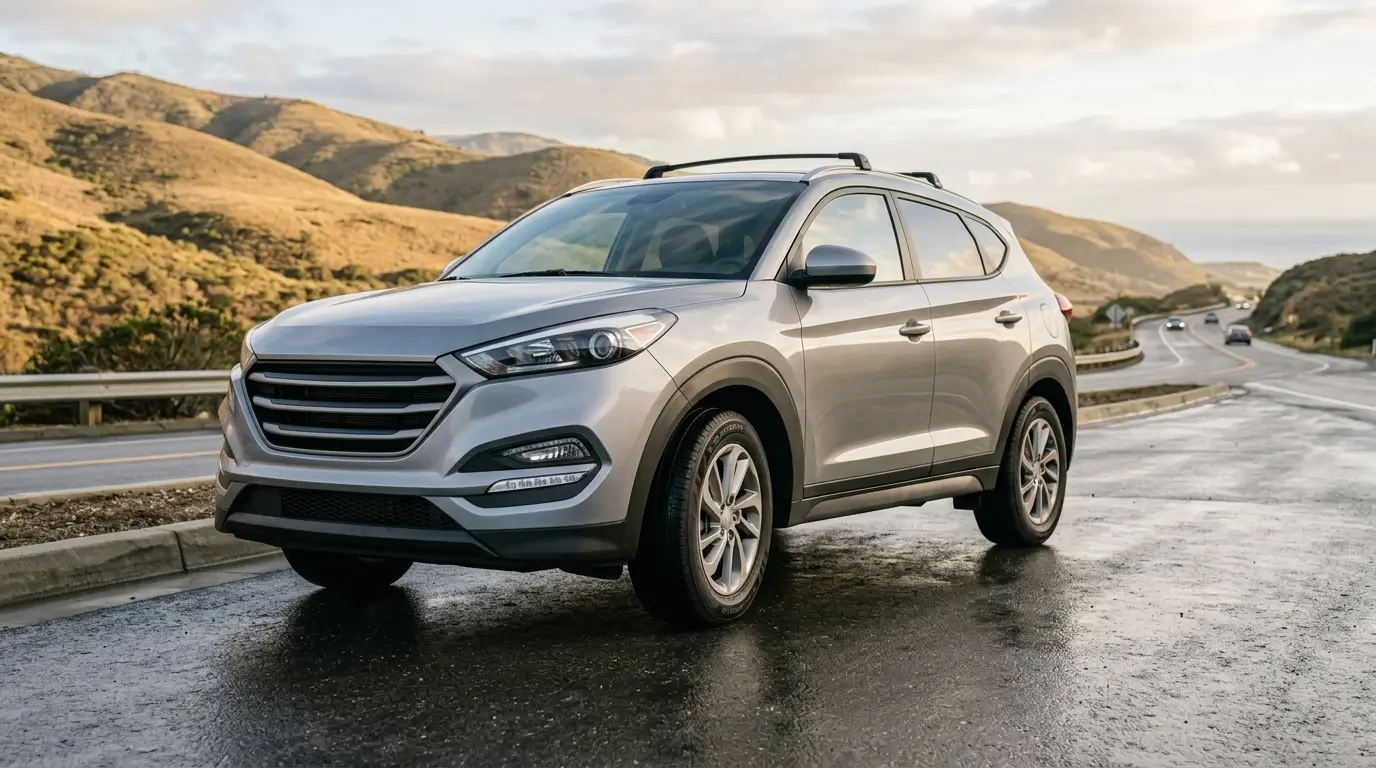
For Inland Empire SUV and crossover commuters, a dedicated highway tire like the EngineX MaxTour H/T is built for long, hot freeway miles, while premium touring tires from Bridgestone or Continental are strong choices if you want the last word in refinement. Whatever you pick, the tire that survives an IE summer is the one that is correctly sized, correctly inflated, and not already aged out.
Scenario 3: Mountain Weekend Drivers
This is where SoCal drivers most often overthink it. If you live in the basin and take occasional winter trips to Big Bear, Wrightwood, Angeles Crest Highway (SR-2), or Mammoth, you do not need dedicated winter tires for daily life — and most of the year they would wear faster and ride worse on hot pavement. What you may want instead is an all-weather tire carrying the 3PMSF (Three-Peak Mountain Snowflake) symbol, which signals a tire meets an industry standard for severe snow service while still working as your everyday tire.
When 3PMSF is worth it:
- You make several cold-weather mountain trips a year and want to roll up without swapping tires or fussing with chains in marginal conditions (always follow posted chain controls regardless of tire).
- You drive wet, paved switchbacks like SR-2 in winter and want extra cold-weather grip.
A premium all-weather option such as Michelin CrossClimate2 is a common reference point here; if you want a deeper look at how it handles mountain trips, see our CrossClimate2 review. If your mountain trips are rare and summer-weighted, a quality all-season plus good judgment about when to drive is usually enough. The honest rule: buy winter capability only in proportion to how often you actually use it.
Scenario 4: SUV / Truck Drivers Mixing Commute and Fire Roads
Plenty of SoCal trucks and SUVs split their lives between the freeway and the occasional dirt road — Rowher Flats decomposed granite, the exposed sandstone around Cleghorn, or a staging area off Angeles Crest before the paved switchbacks begin. The core decision here is H/T versus A/T.
- Highway-terrain (H/T) tires are the right call if you are 90%+ pavement and only see light, well-graded dirt. They ride quieter, last longer on hot freeway miles, and commute better. For that profile, the EngineX MaxTour H/T is a practical SUV/light-truck highway option. Learn more about the category in our H/T tire guide.
- All-terrain (A/T) tires make sense once loose, abrasive surfaces become a regular part of your routine. Decomposed granite at Rowher Flats and exposed sandstone near Cleghorn chew up street-biased tires, where an A/T's tougher casing and more open tread pay off. For light trail plus daily driving, the EngineX TerraGrip A/T is built for that mix on trucks and full-size SUVs.
Be realistic about the tradeoff: a true A/T gives up some freeway quiet and a little wear life in exchange for off-pavement toughness. If your "off-road" is a graded campground road twice a year, an H/T is the smarter SoCal buy.
How to Choose by Driver Type
Match yourself to the closest profile:
- Daily LA freeway commuter (sedan/compact): prioritize quiet, comfort, wet braking, and wear. Start with a value all-season like the EngineX DuraGuard HP, or step up to a premium touring tire for maximum refinement.
- Inland Empire long-distance / hot-climate commuter: prioritize heat tolerance and pressure discipline. An EngineX MaxTour H/T suits SUVs/crossovers; premium touring tires suit cars.
- Occasional mountain-trip driver: consider a 3PMSF all-weather tire (Michelin CrossClimate2 is a common reference) instead of dedicated winter tires.
- SUV/truck commuter who also hits fire roads: choose H/T for mostly-pavement use, A/T like the EngineX TerraGrip A/T once loose, abrasive surfaces are routine.
Still not sure where you land? Our how-to-choose-tires walkthrough frames the decision step by step, and if you are weighing value versus premium, the EngineX vs premium tires comparison lays out the tradeoffs.
FAQ
Do I need winter tires if I live in Los Angeles?
No. LA basin drivers do not need dedicated winter tires for daily use. If you take regular winter trips to Big Bear, Wrightwood, or Mammoth, an all-weather tire with the 3PMSF symbol is a better fit than swapping to true winter tires you will rarely use.
Are all-season and all-weather tires the same thing?
Not quite. Most all-season tires handle dry and wet SoCal roads well but are not rated for severe snow. All-weather tires carry the 3PMSF symbol, meaning they meet an industry standard for severe snow service while still serving as your everyday tire — a useful middle ground for occasional mountain drivers.
What's the most important tire factor for Inland Empire heat?
Correct sizing and correct inflation, paired with a heat-stable tire that is not already aged out. Check pressures cold, keep them at the door-placard spec, and replace tires that are past their service life — heat punishes underinflated and old tires hardest.
Bottom Line
- Choose a value or premium all-season if you are a daily LA or Inland Empire commuter who lives on the freeway — comfort, quiet, wet braking, and tread life matter most.
- Choose a 3PMSF all-weather tire if you regularly head to Big Bear, Wrightwood, or Mammoth in winter and want one tire that does it all without a seasonal swap.
- Choose H/T or A/T based on how often you actually leave the pavement: H/T for mostly-freeway SUVs and trucks, A/T once loose surfaces like Rowher Flats granite or Cleghorn sandstone are part of your routine.
- If unsure, start with a quality all-season sized correctly for your vehicle, then add capability only in proportion to how you really drive.
Once you have settled on the right category, FixGo makes it easy to get fitted in Southern California. You will find competitive pricing backed by a Best Price Guarantee, tire delivery that is usually 1-3 days across greater Los Angeles and 3-5 business days in the San Diego area, and professional installation through FixGo's Southern California partner network. Order online, pick your nearby partner shop, and have your new tires installed close to home. Browse the featured options below to get started.