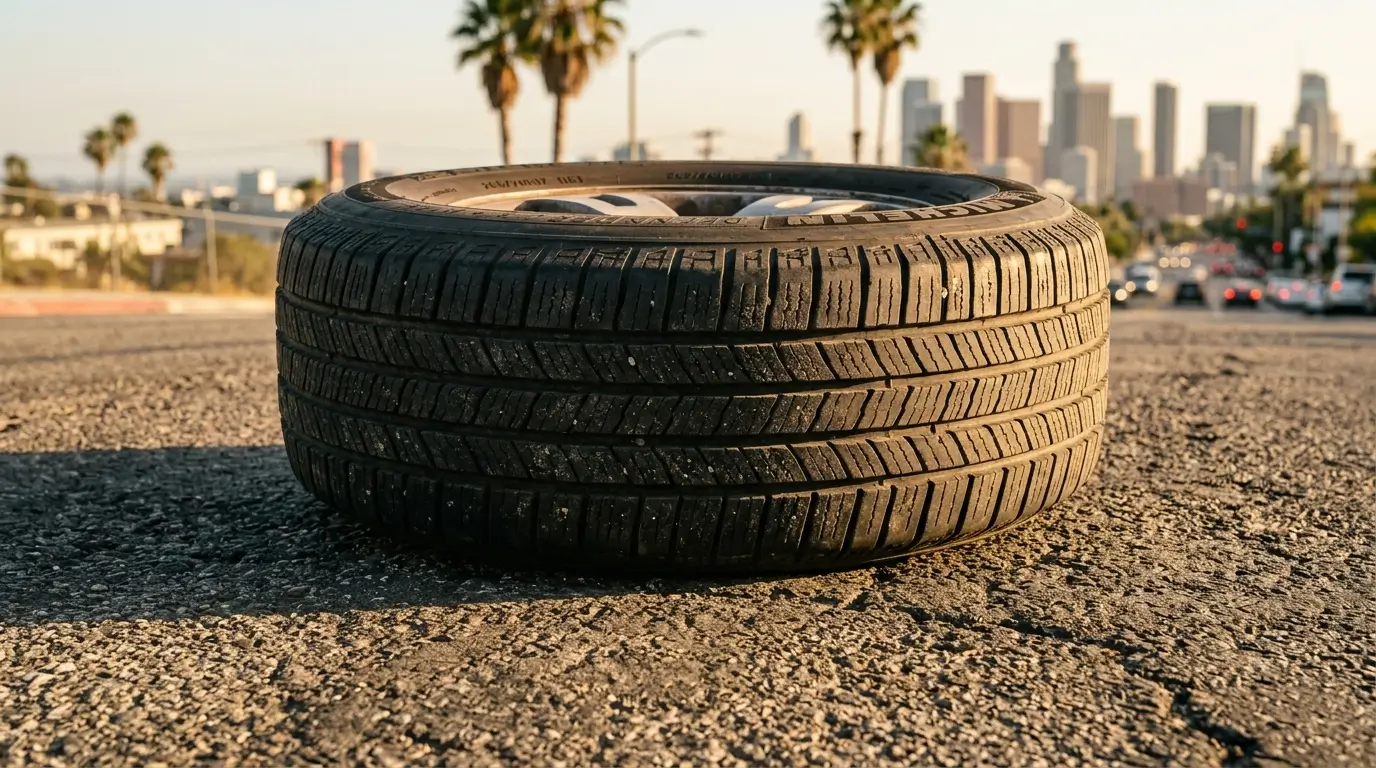
LA summer tire maintenance is not just a quick pressure check before a weekend drive. During Los Angeles heatwaves, the right routine helps you spot underinflation, worn tread, and sidewall damage before freeway heat turns a small issue into a roadside problem.
Why LA Heat Makes Tire Checks Matter
Summer tire care starts with inflation because the tire has to carry the vehicle load without excessive sidewall flex. NHTSA's TireWise guidance says proper tire pressure affects safety and durability, and that drivers should use the vehicle manufacturer's pressure from the door placard or owner's manual.
Heat does not make an underinflated tire safer. The Tire Industry Association explains that low pressure increases sidewall flex and heat, which can break down tire components over time. That is why LA commuters should treat hot-weather pressure checks as a routine habit.
NHTSA's summer driving guidance also recommends inspecting tread and sidewalls for cuts, punctures, bulges, scrapes, cracks, or bumps at least once a month and before long trips. In Southern California terms, check before a San Diego weekend, an Inland Empire commute, or a hot freeway run through the Valley.
How to Maintain Tires in LA Summer Heat
1. Check Cold Tire Pressure, Not Hot Tire Pressure
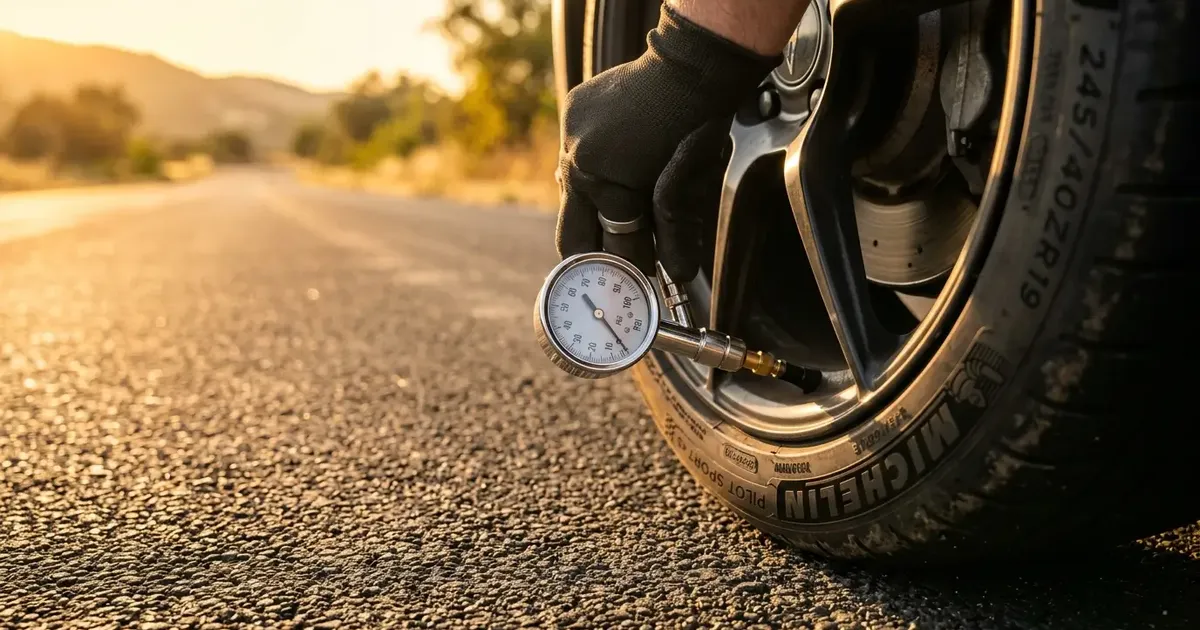
Use a reliable gauge in the morning or after the car has been parked for at least three hours. Compare the cold reading with the Tire and Loading Information Label on the driver's door pillar or door frame, or with the owner's manual.
Do not use the maximum PSI molded on the tire sidewall as your target. Do not bleed air from warm tires to reach the cold target. Follow the vehicle guidance and recheck under cold conditions.
2. Look Closely at Sidewalls and Shoulder Areas
Walk around the vehicle and look at both outer sidewalls. Bulges, cracks, cuts, scrapes, or exposed material are not normal wear marks. If you recently hit a pothole, curb, or freeway debris, inspect the tire before your next long drive.
Pay attention to the tire shoulder near the edge of the tread. Repeated underinflation can leave extra wear there, while alignment or suspension problems may show as uneven tread across the face of the tire.
3. Measure Tread Before It Reaches the Wear Bars
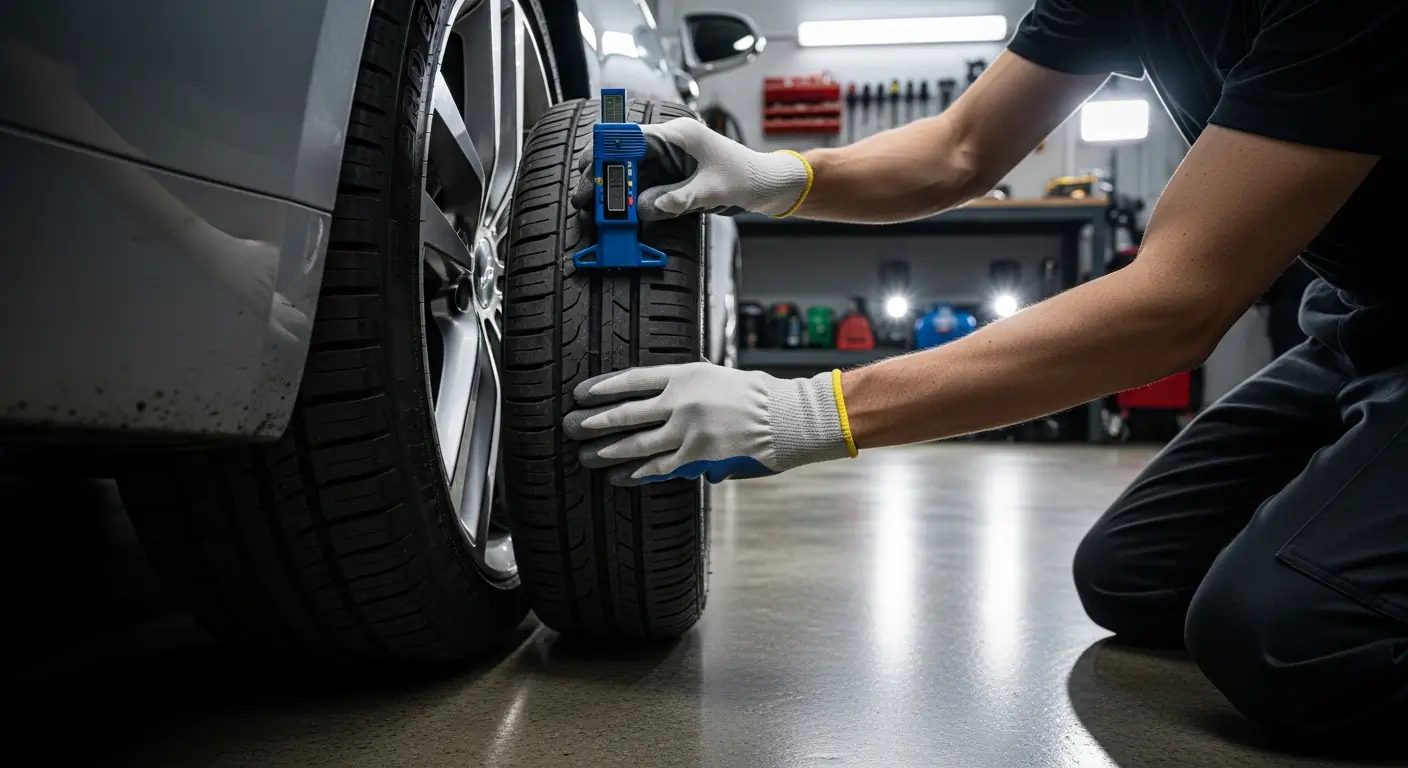
NHTSA says tread should be checked at least once a month, and that tires are not safe when worn to 2/32 inch. Use a tread-depth gauge if you have one, or look for the built-in treadwear indicators molded between tread blocks.
The practical LA rule is simple: if tread is near the wear bars, if wear is uneven, or if the tire has damage, solve it before another long high-heat drive.
4. Match Replacement Tires to the Placard
When replacement is needed, match the tire size, load index, and speed rating required by your vehicle placard or manufacturer guidance. A higher speed rating is not a shortcut for "better tire"; the right choice is the one that meets the vehicle's requirement and your real driving use.
Verified Tire Options to Compare
The tire examples below reflect products currently listed by FixGo as of August 27, 2026. Availability and specifications may change, and these examples are not universal fitment recommendations. Always confirm the required tire size, load index, speed rating, and vehicle fitment before purchase.
Choose the replacement size and required load and speed ratings from your vehicle’s placard and owner’s manual. Compare the current options for that exact specification on FixGo, then select an eligible local installation or pickup location.
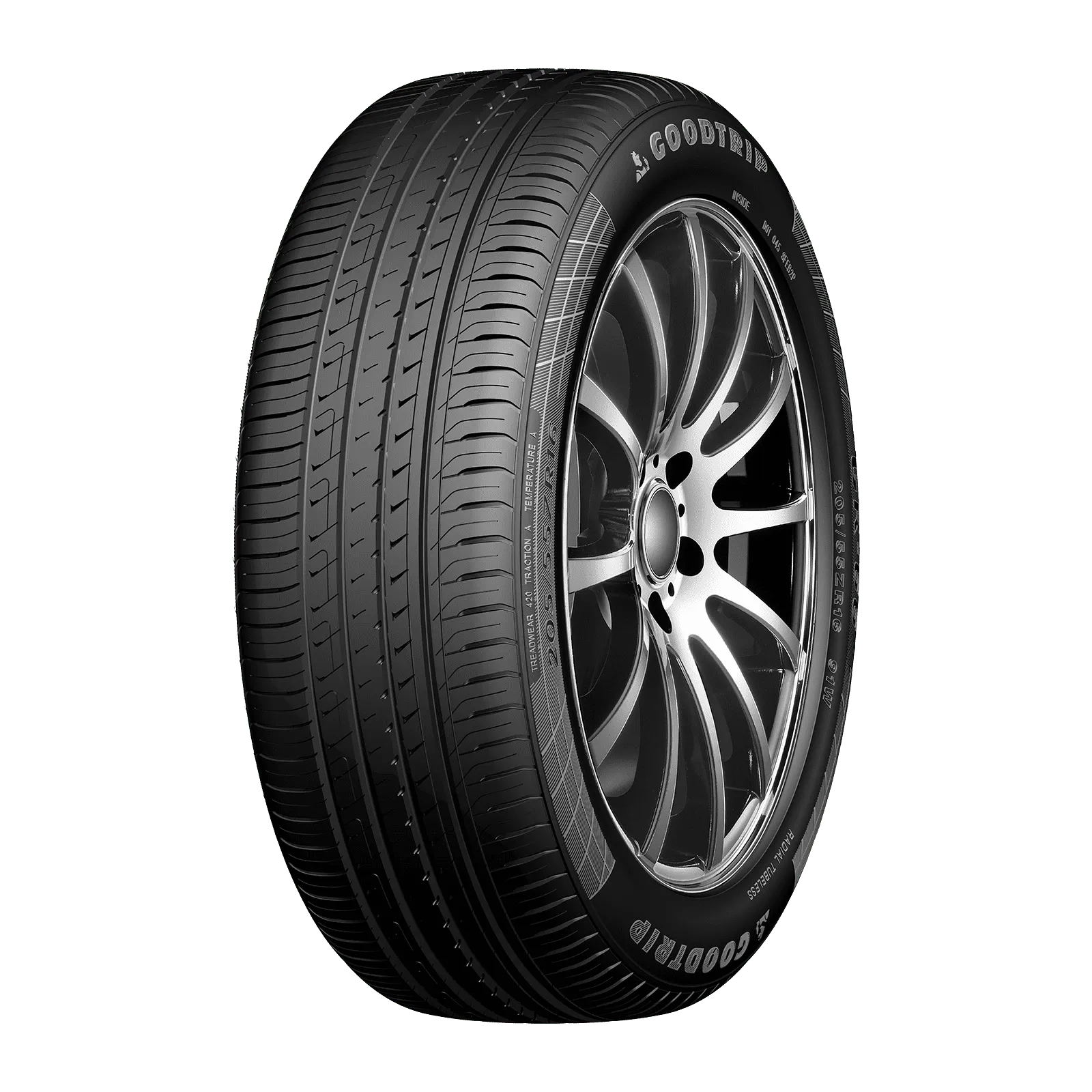
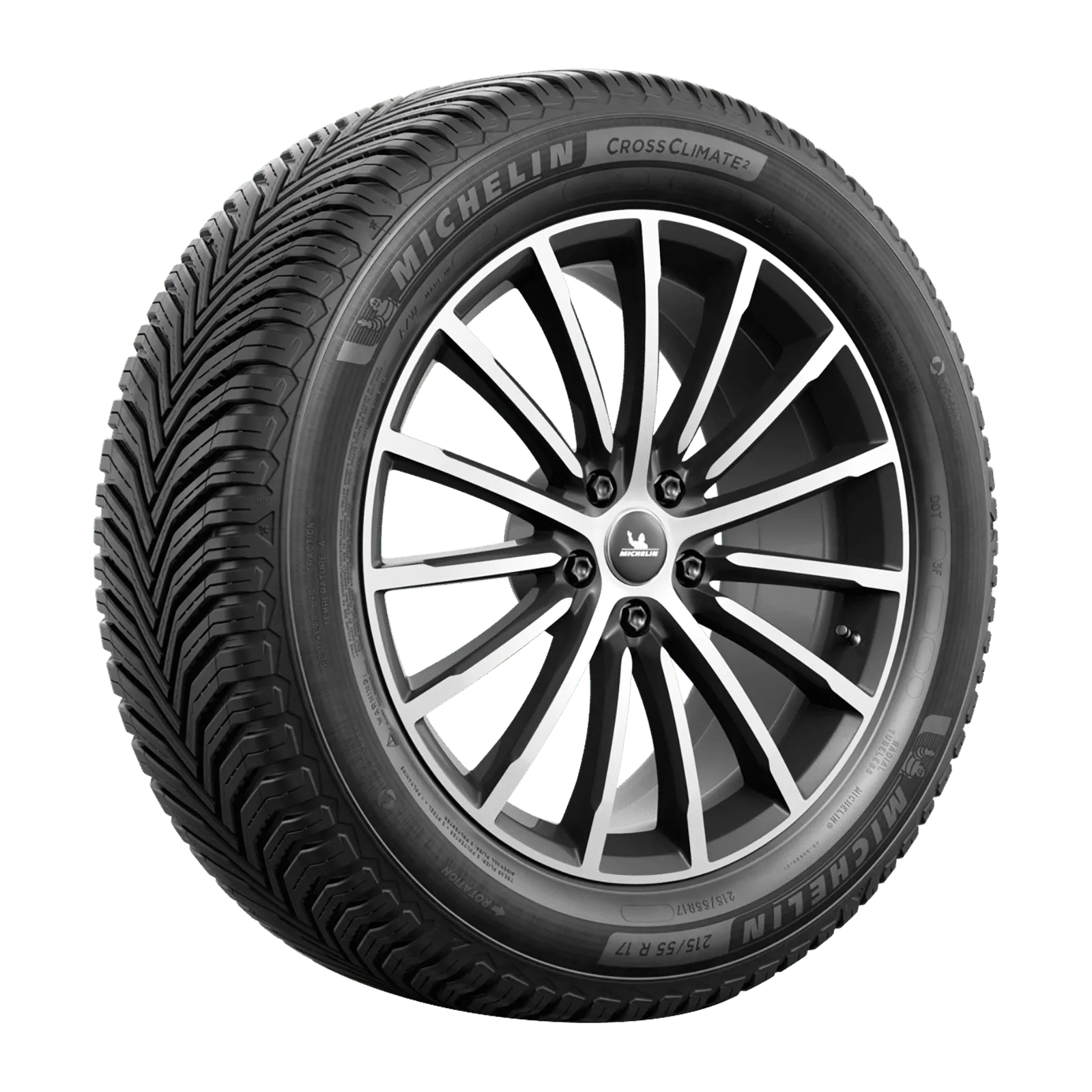
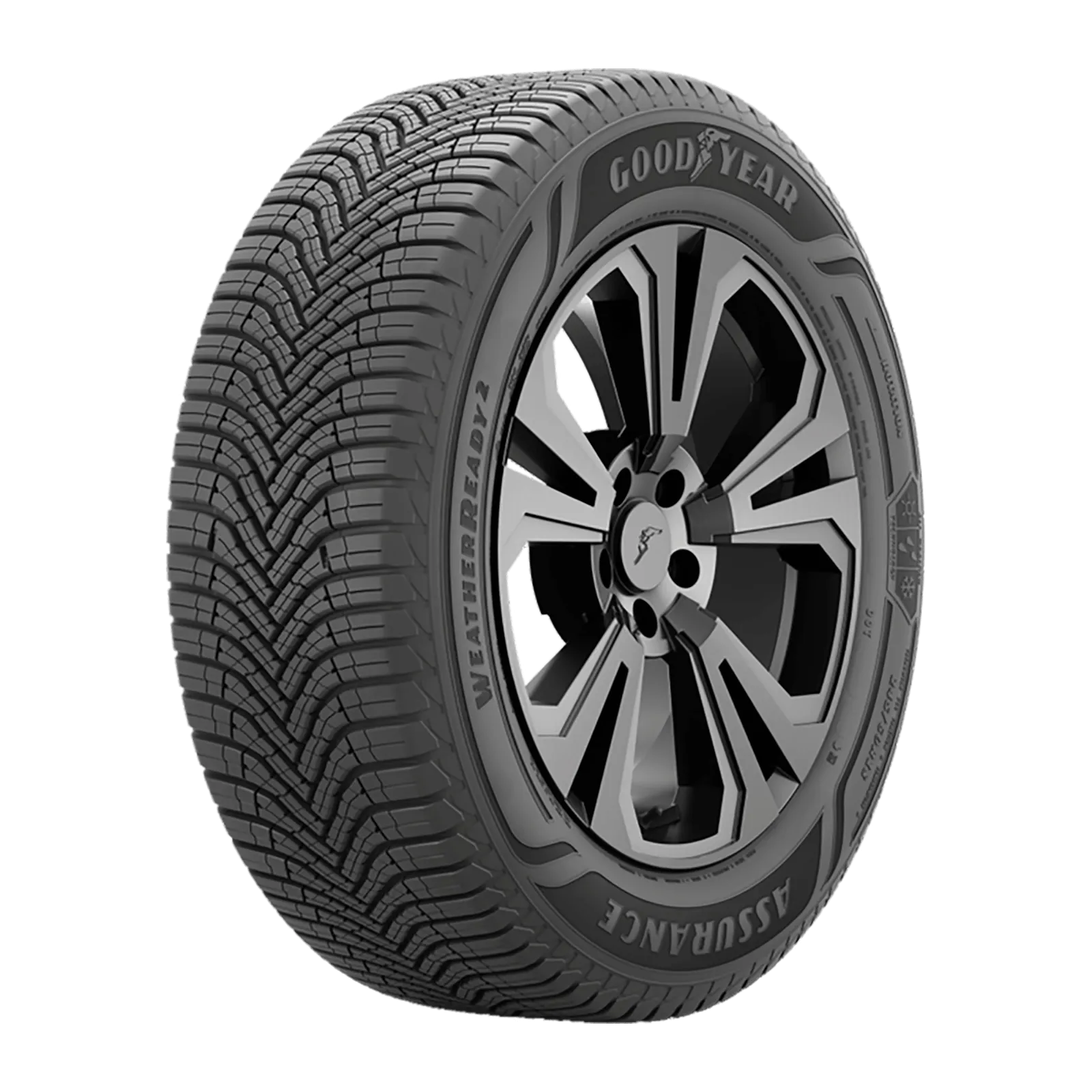
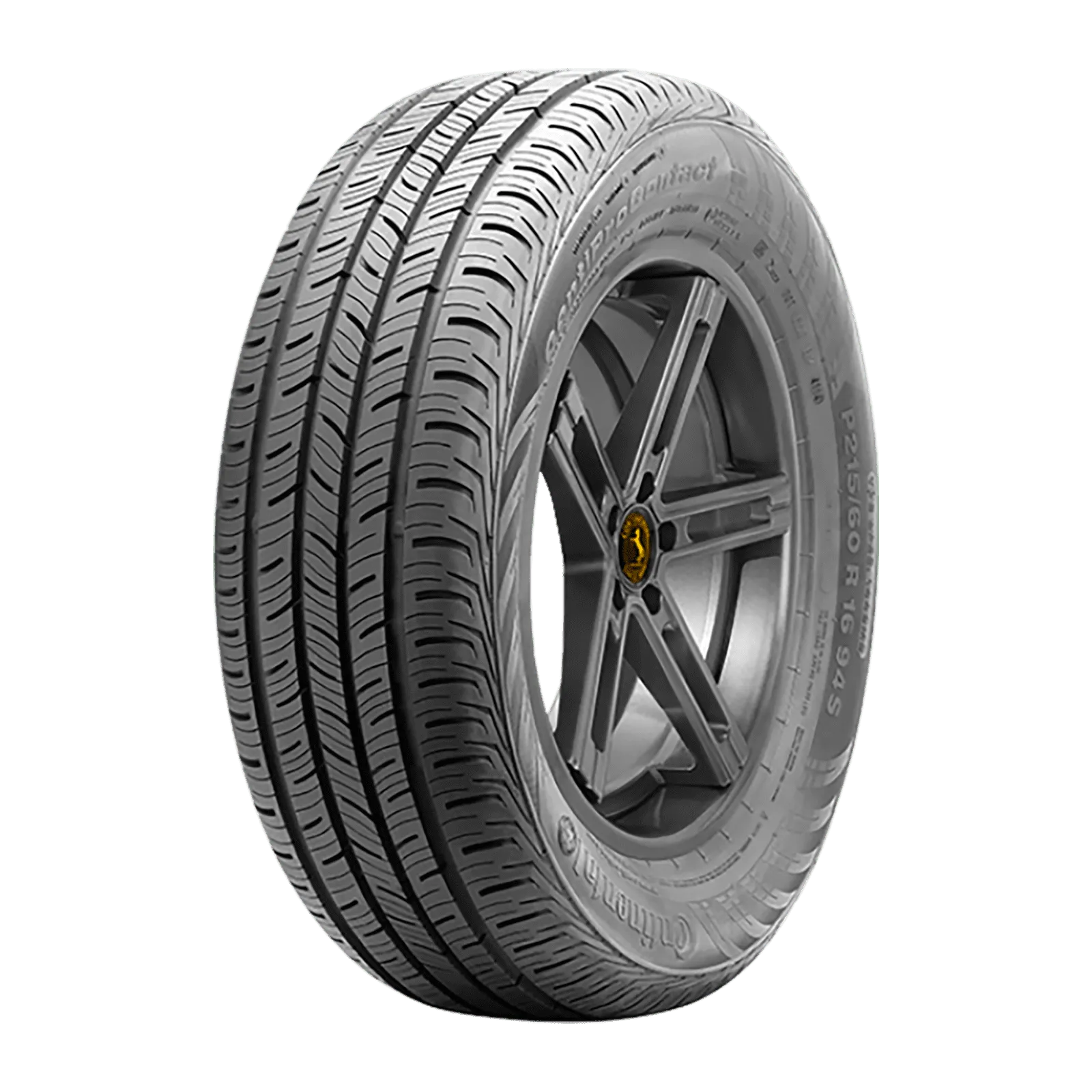
Drivers comparing alternatives can also review GOODTRIP GR-66 205/60R16 92V when that size matches the vehicle. For 205/55R17 shoppers, MICHELIN CROSSCLIMATE 2 205/55R17 95V, GOODYEAR ASSURANCE WEATHERREADY2 205/55R17 95V, and CONTINENTAL CONTIPROCONTACT 205/55R17 91H provide additional verified brand options.
Because Road Hazard coverage varies by brand and model, review the current product page and checkout details before ordering.
FAQ
How often should I check tire pressure during hot weather?
Check cold tire inflation pressure at least once a month and before long trips. During LA heatwaves, checking more often helps catch slow leaks or pressure changes before the next freeway drive.
Should I let air out of my tires when they get hot?
Do not bleed air just because the tire is hot after driving. Use the vehicle manufacturer's cold pressure target, then recheck after the tires have cooled for at least three hours.
Where can I find the correct tire pressure for my car?
Look for the Tire and Loading Information Label on the driver's door pillar or door frame, or check the owner's manual. The tire sidewall maximum is not the vehicle's recommended cold inflation pressure.
When should I replace a tire instead of maintaining it?
Replace or professionally evaluate a tire when tread is worn to 2/32 inch, when you see bulges or cracking, or when the tire has cuts, punctures, scrapes, bumps, or other visible damage.
Can FixGo send tires to an installer or pickup point?
FixGo allows eligible Southern California tire orders to be delivered to a selected FixGo partner installation shop. Tire pickup is only available at dedicated warehouses and designated pickup points shown by the website locator map, not at every partner installation shop.
Bottom Line
Routine LA summer tire maintenance comes down to four habits: check cold pressure against the placard, inspect tread and sidewalls monthly, replace damaged or worn tires before high-heat driving, and choose replacements that match the required size, load index, and speed rating.
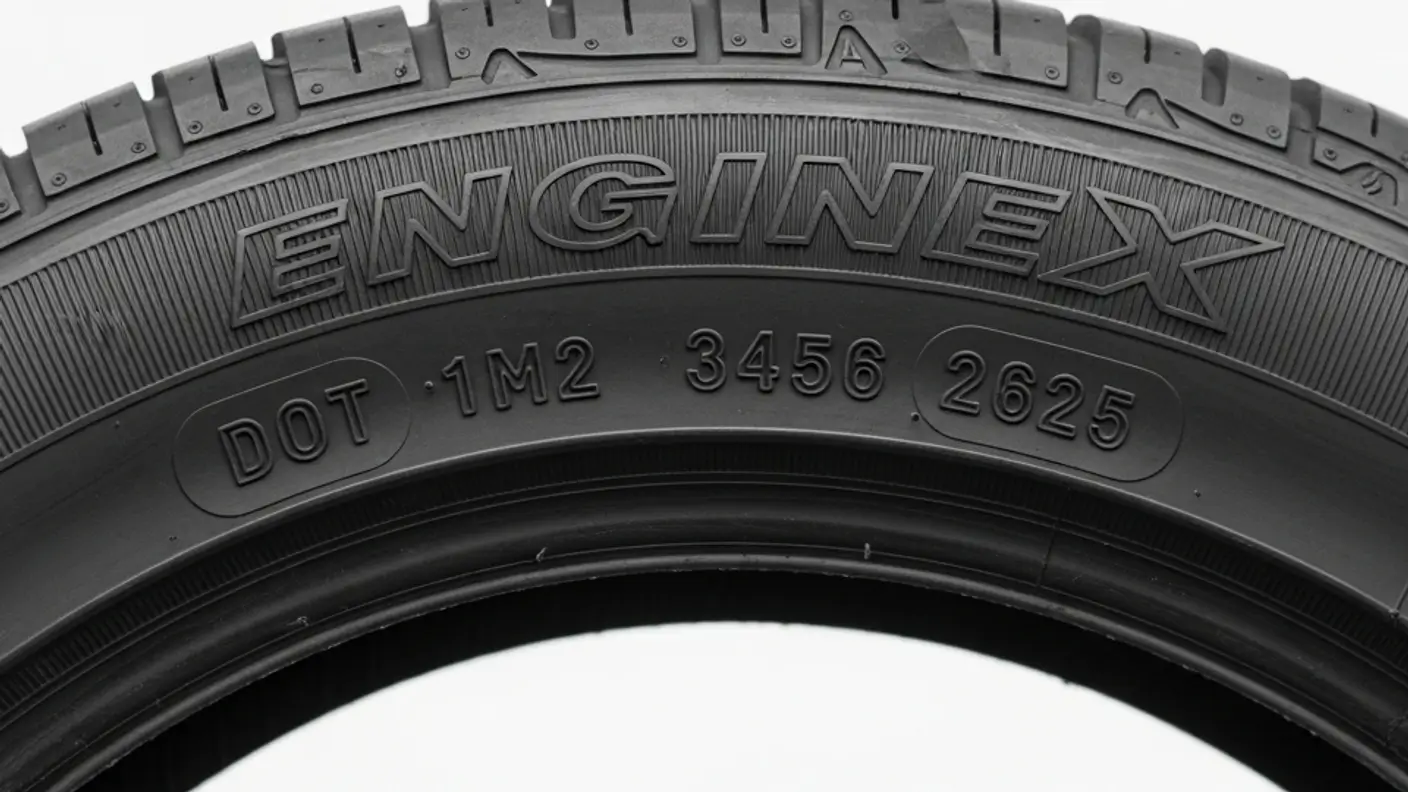
When you are ready to compare replacements, FixGo helps Southern California drivers shop with competitive pricing and partner installation coverage. FixGo supports tire delivery to 200+ partner shops across greater Los Angeles and 20+ partner shops in the San Diego area; greater Los Angeles tire delivery is usually 1-3 days, with EngineX tires offering next-day delivery in eligible LA areas, while San Diego tire delivery is usually 3-5 business days. Tire pickup is only supported at dedicated warehouses and designated pickup points, so use the FixGo website locator map to find the nearest available pickup-supported location before checkout.