This guide explains how to read tire DOT dates and check tire age alongside storage conditions and manufacturer guidance before installation.
The short answer
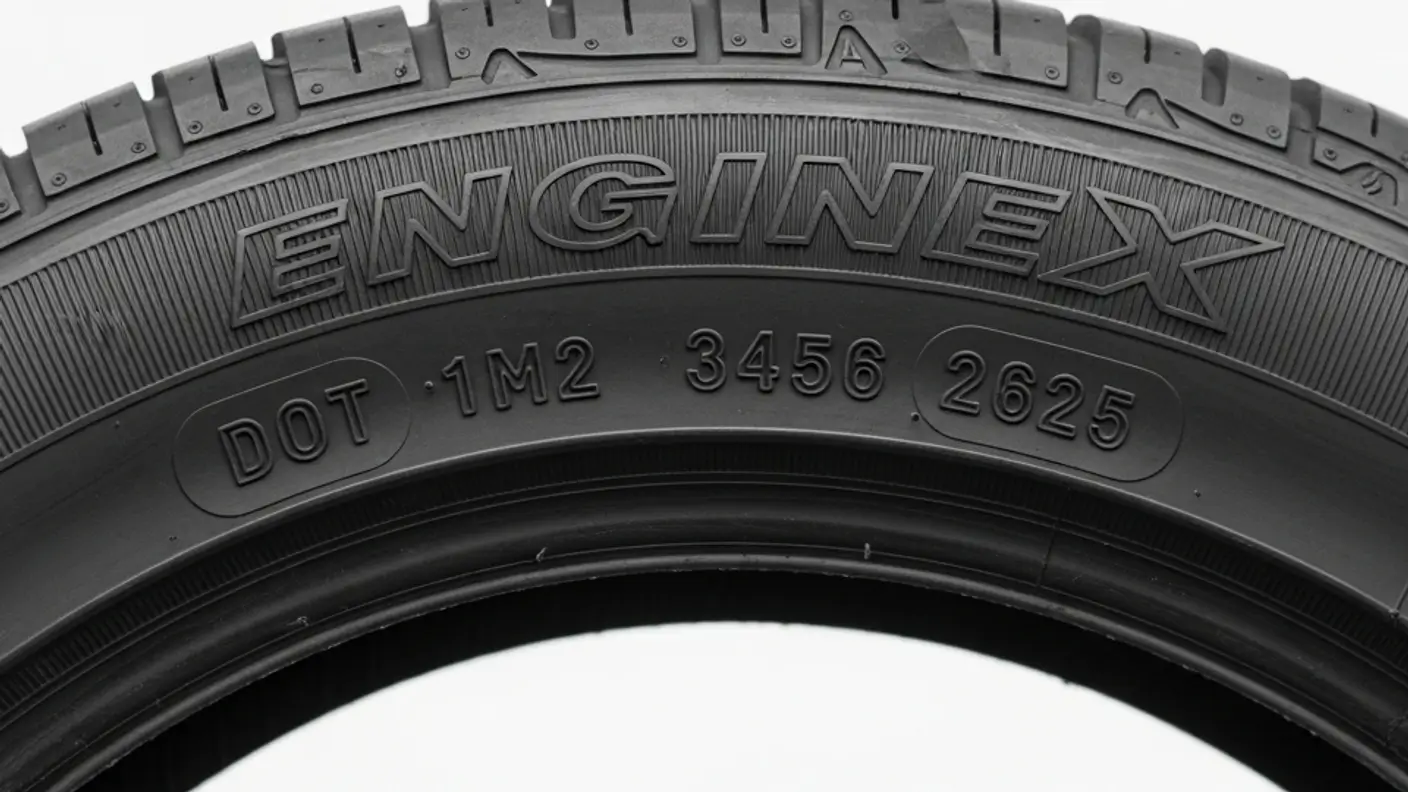
NHTSA explains that the final four digits of a modern tire’s DOT identification number give its production week and year. For example, a code ending in "2625" means the tire was manufactured during the 26th week of the year 2025.
Many drivers worry that tires stored in a warehouse for a year or two are automatically "perishable" or stale. DOT age matters, but storage conditions and inspection matter too. Michelin recommends clean, cool, dry storage away from sunlight, ozone and heat; before installation, a tire professional should still inspect the tread, sidewalls, bead area, and overall condition for cracking, deformation, or other age-related signs.
How to find and read the DOT code
To read your tire's production date, look closely at the sidewall near the wheel rim. You will find the letters "DOT" followed by a series of alphanumeric characters.
The final four digits of this serial number are the date code:
- First Two Digits: Specify the week of manufacture .
- Last Two Digits: Specify the year of manufacture (e.g., "26" represents 2026).
Follow the tire maker's service-life guidance and your vehicle owner's manual. Michelin recommends professional inspection after five years of use and replacement by ten years from manufacture; some vehicle makers recommend earlier replacement, so the more conservative guidance should take priority.
FAQ
Are tires stored in a warehouse for 2 years considered safe?
A: They can be suitable for installation when they have been stored correctly and pass a professional inspection. A two-year-old DOT date alone does not prove a tire is unsafe, but it also should not be treated as a guarantee of unchanged performance; visible cracking, flat-spotting, bead damage, or other aging signs should be checked before use.
What is the maximum age for safe tire use?
A: There is no universal tire expiration date that fits every brand, vehicle, climate, and use case. Use the tire manufacturer's published guidance and your owner's manual: Michelin recommends professional inspection after five years of use and replacement by ten years from manufacture, while some vehicle manufacturers recommend replacement earlier.
Next steps
- Check the DOT stamp on your current tires to identify their exact manufacture date.
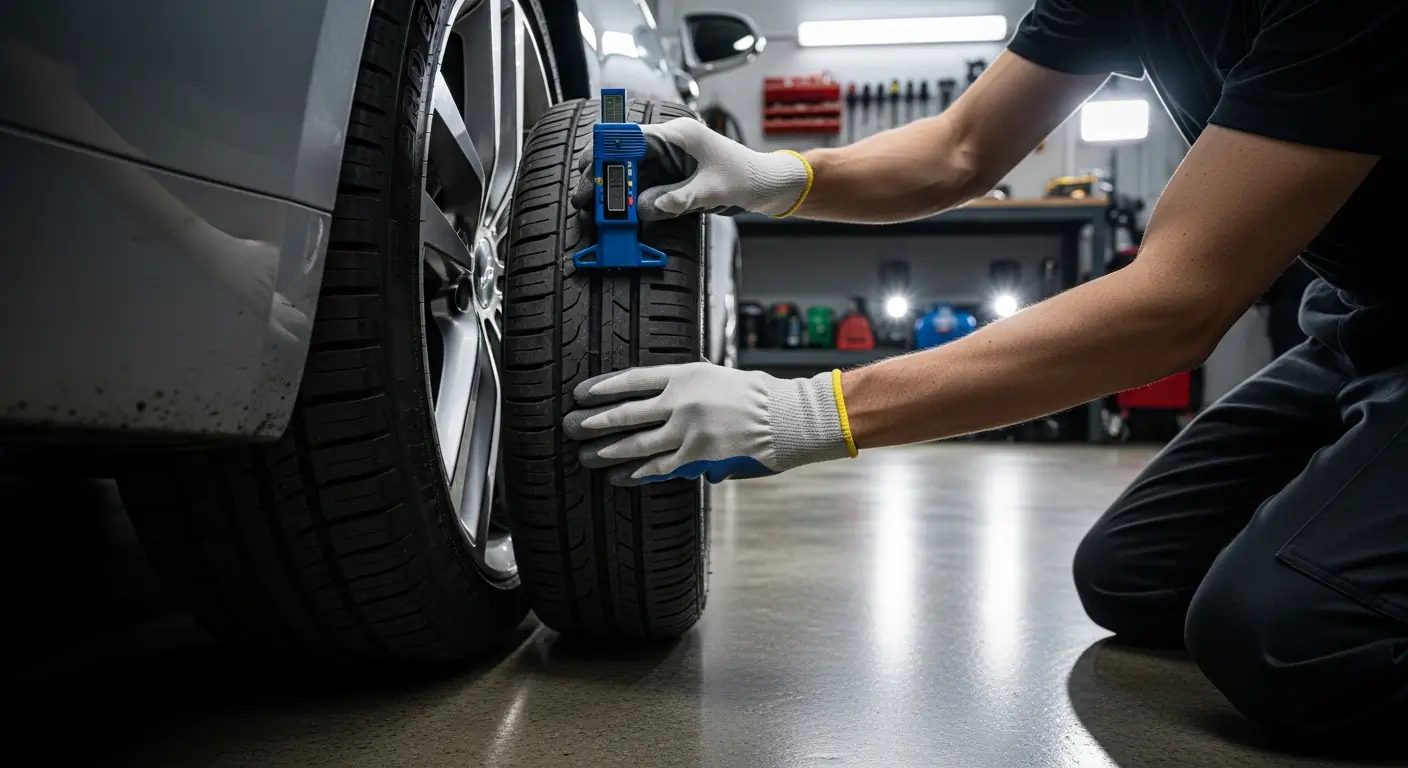
- Look for signs of rubber aging, such as hairline cracks or dry rot in the sidewall grooves.
- If inspection or the applicable manufacturer guidance calls for replacement, use our online search tool or call 888-693-4946 to explore suitable tire options.
When replacement is needed, compare suitable tires with competitive pricing and installation through the FixGo Southern California partner network at FixGo.com.