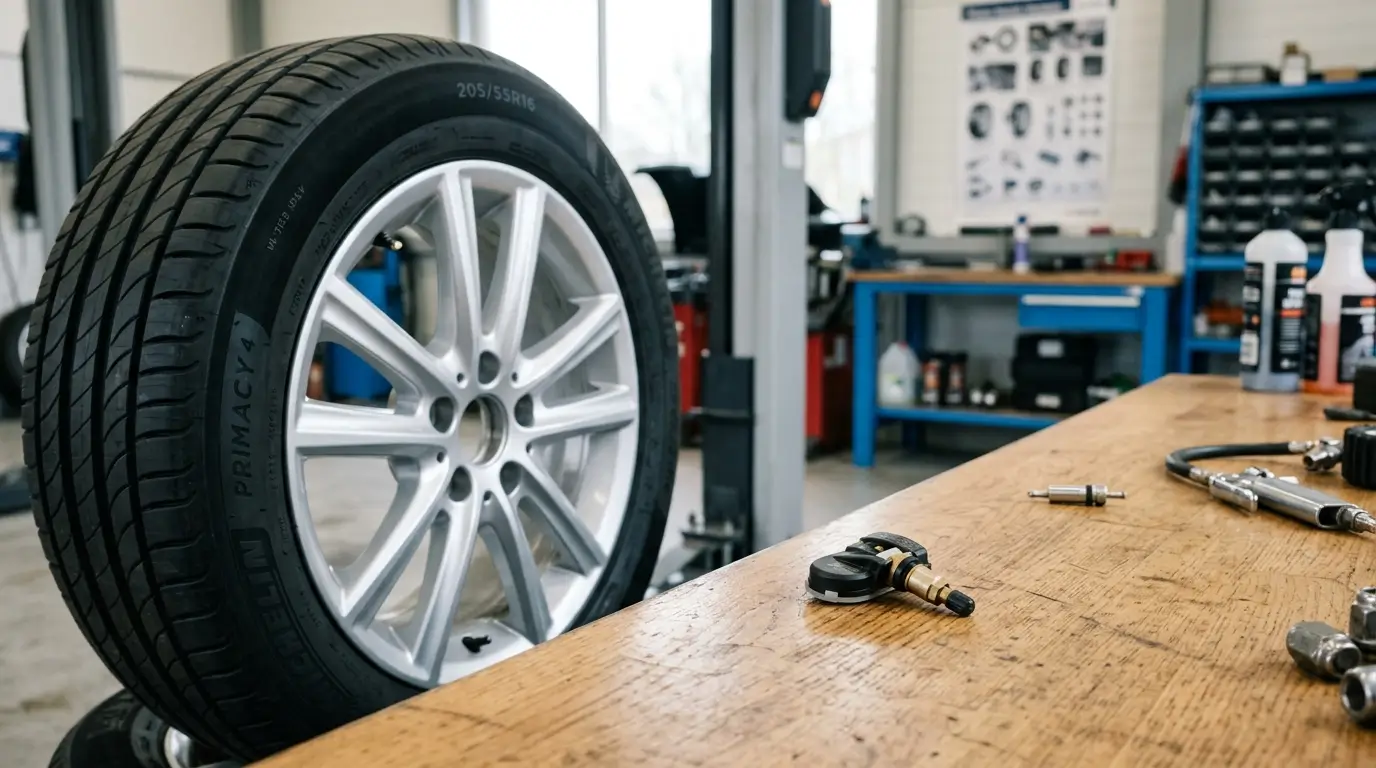

Choosing Los Angeles commuter tires starts with your vehicle's required fitment and the condition of the tires already on it. If your commute includes a hard pothole impact, a new vibration, or repeated air loss, inspect the problem before assuming a different tire model will solve it.
After a pothole impact
Find a safe place away from traffic before looking at the tire. Note any loss of pressure, visible cuts, wheel damage, or changes in steering. Do not continue driving on a flat tire or an outward sidewall bulge; arrange roadside assistance if needed.
Michelin's sidewall guidance distinguishes normal inward indentations from outward bulges. A confirmed bulge indicates damage inside the tire and requires replacement. A quick look cannot establish that every part of the tire and wheel is sound.
If the car pulls or vibrates after the impact, describe when it started to a qualified technician. Replacing the tire without checking the cause may leave the original problem unresolved.
How to choose for your actual vehicle
Start with the size on the vehicle placard and the load and speed requirements in the owner's manual. A tire being marketed for an SUV or for commuting does not establish compatibility with your specific vehicle.
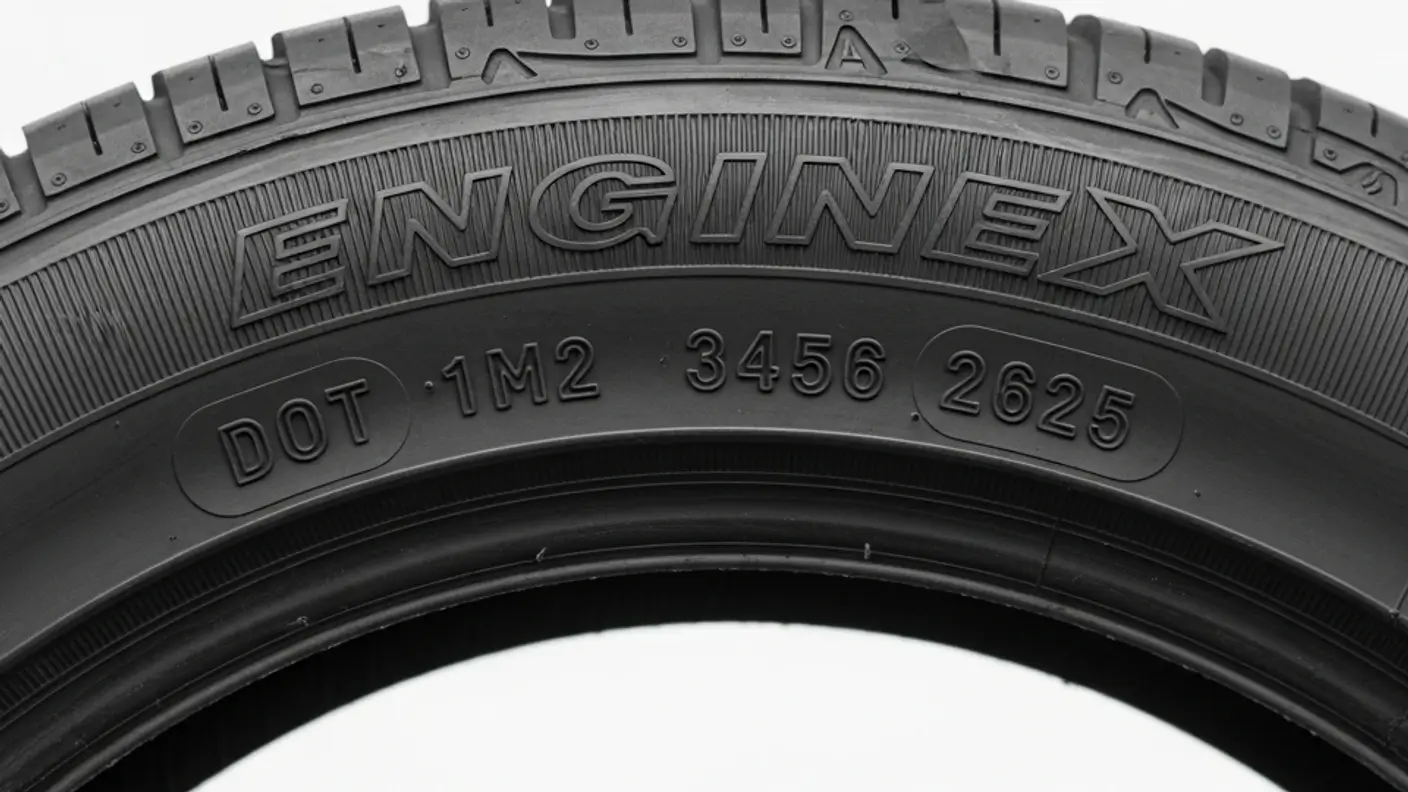
For a vehicle whose requirements match 265/70R17 113T, the EngineX MaxTour H/T listing on FixGo is an option to compare. EngineX tires include complimentary Road Hazard protection through FixGo and support local next-day delivery in greater Los Angeles. Confirm the selected tire and installation location during ordering.
There is no universal pothole-proof tire choice. Before changing tire size, profile, or wheels, have the proposed combination checked against the vehicle manufacturer's requirements. Keep your usual route and any planned mountain trips in the discussion, rather than choosing only by a broad label such as touring or performance.
Build a maintenance routine
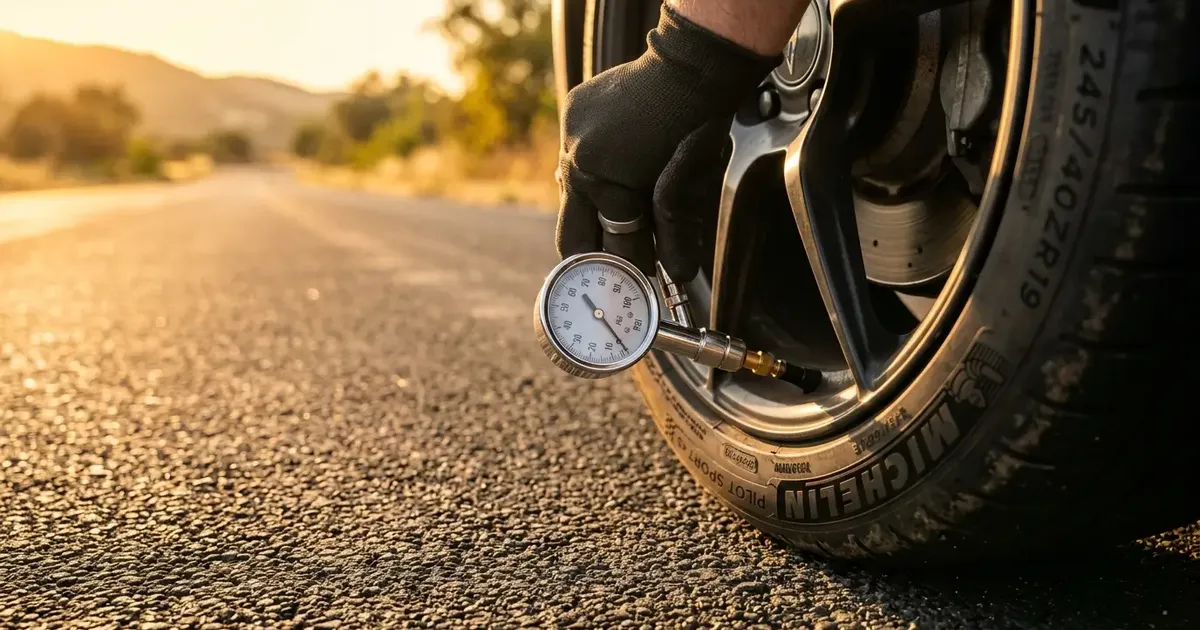
NHTSA recommends checking pressure monthly with the tires cold, including the spare. Use the vehicle's specified pressure, not the maximum marked on the tire. Check tread and visible damage at the same time.
Follow the vehicle manufacturer's rotation schedule instead of applying one mileage interval to every car. If wear is uneven or handling changes, arrange an inspection. Bridgestone's guidance explains that tire balance, alignment, and suspension conditions can all contribute to irregular wear.
FAQ
Can an all-season tire handle every trip from Los Angeles?
Choose for the conditions on the whole trip. NHTSA distinguishes all-season tires from winter tires, which are more effective in deep snow. Do not assume that a tire suitable for your ordinary commute is suitable for every winter mountain journey.
Does no visible damage mean a pothole impact was harmless?
No. If pressure, noise, vibration, or steering has changed, have the tire and wheel inspected before returning to normal highway driving.
Bottom Line
Check damage first, then compare tires in the correct specification. If replacement is needed, FixGo offers competitive pricing and installation through 200+ partner shops across greater Los Angeles. Select the eligible installation location when you order, and confirm the appointment around tire arrival.